
Yoga is one of the most popular ways in the UK to keep moving gently, and it comes up a lot from people managing joint pain who want to exercise without pounding their knees. Here is what it may offer, said carefully, and where a support fits in.
A gentle way to keep moving
The main thing yoga has going for it, for anyone with sore joints, is that it is low-impact and endlessly adjustable. You can work on movement, balance and strength without the repeated loading that running or jumping brings, and almost every pose has an easier variation. For a lot of people that is the difference between exercising and not exercising at all, and moving regularly is one of the better-supported things you can do for painful joints.
Balance and confidence
A large part of yoga is spent balancing and controlling your position slowly. People who have had a knee or ankle give way often say that is where they feel the benefit: not that the joint is suddenly stronger, but that they trust it more and move more freely.
Stress, mood and sleep
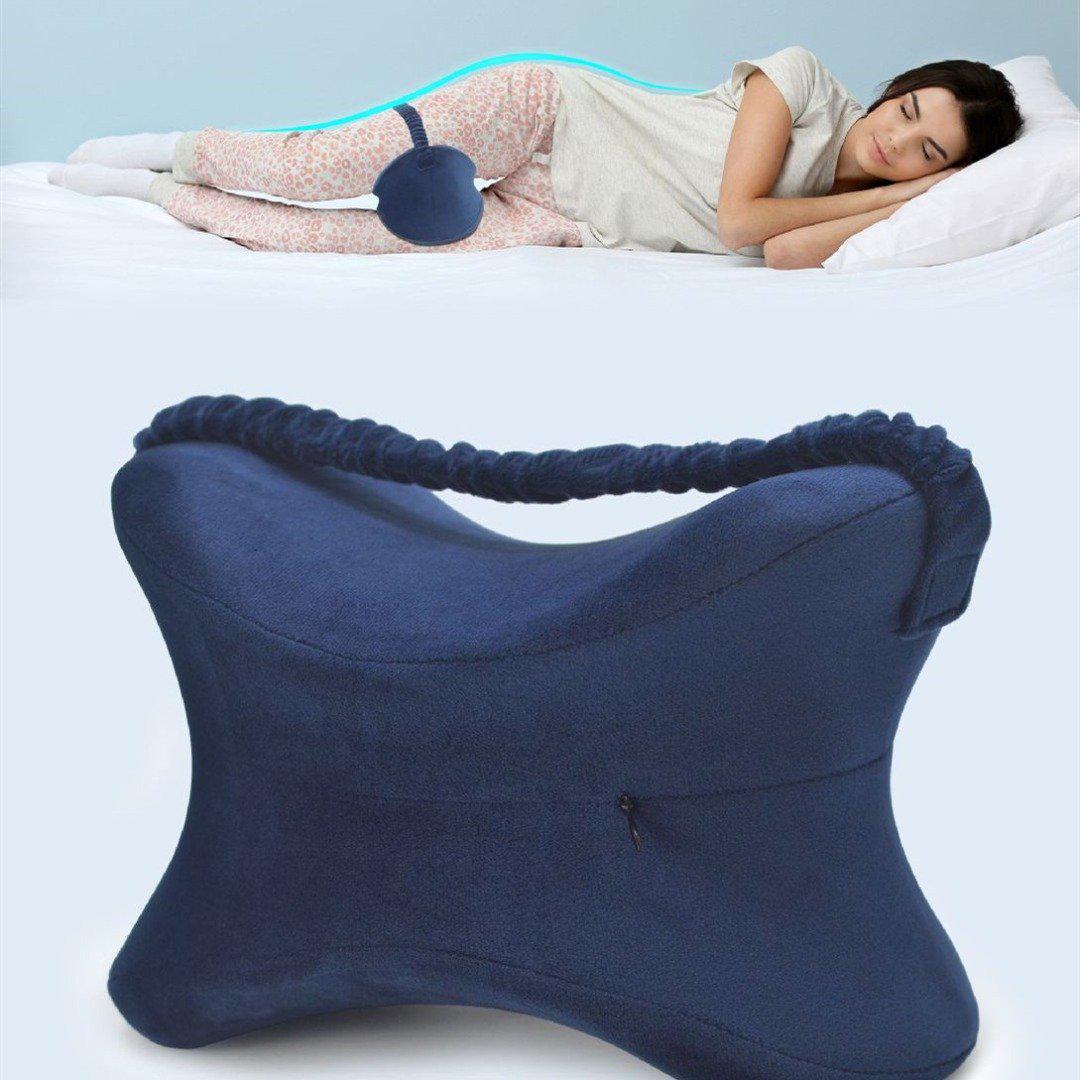
Many people find yoga helps with stress, mood and sleep, and there is a reasonable body of research pointing the same way. We are not going to put a figure on it or claim it treats a medical condition. If you enjoy it and it helps you sleep better while your joints are sore, that is worth having on its own.
You do not need hours of it. An hour a week is a perfectly reasonable place to start, and consistency matters more than volume.
If you have arthritis or an existing injury
Tell the instructor before the class, so poses can be adapted rather than avoided. If a movement causes sharp pain, or the joint swells afterwards, that is the signal to stop and modify rather than push through.
If a joint gives way, locks, will not take your weight, or is hot, red and swollen, see a GP or physiotherapist before starting a new form of exercise. A physiotherapist can also tell you which movements are sensible for your particular joint, which is more useful than any general article.
Where a support fits
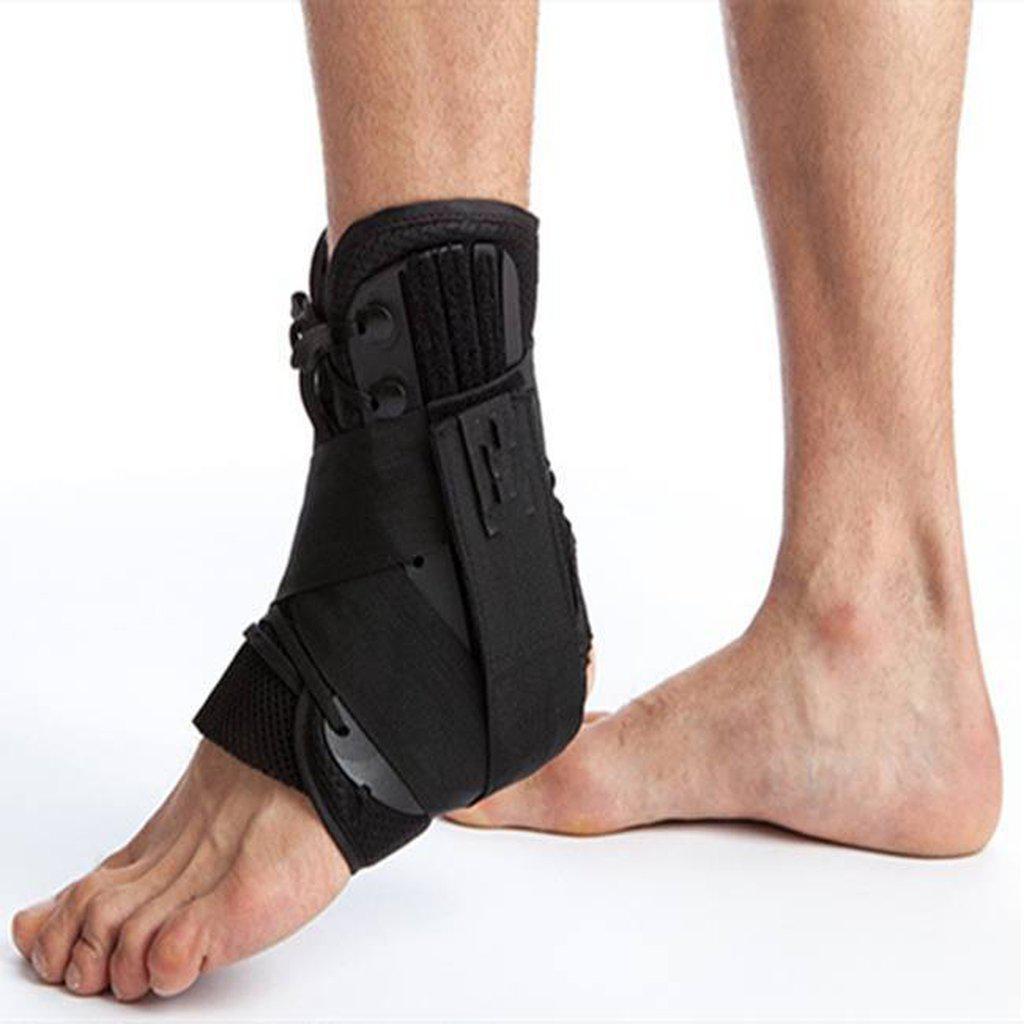
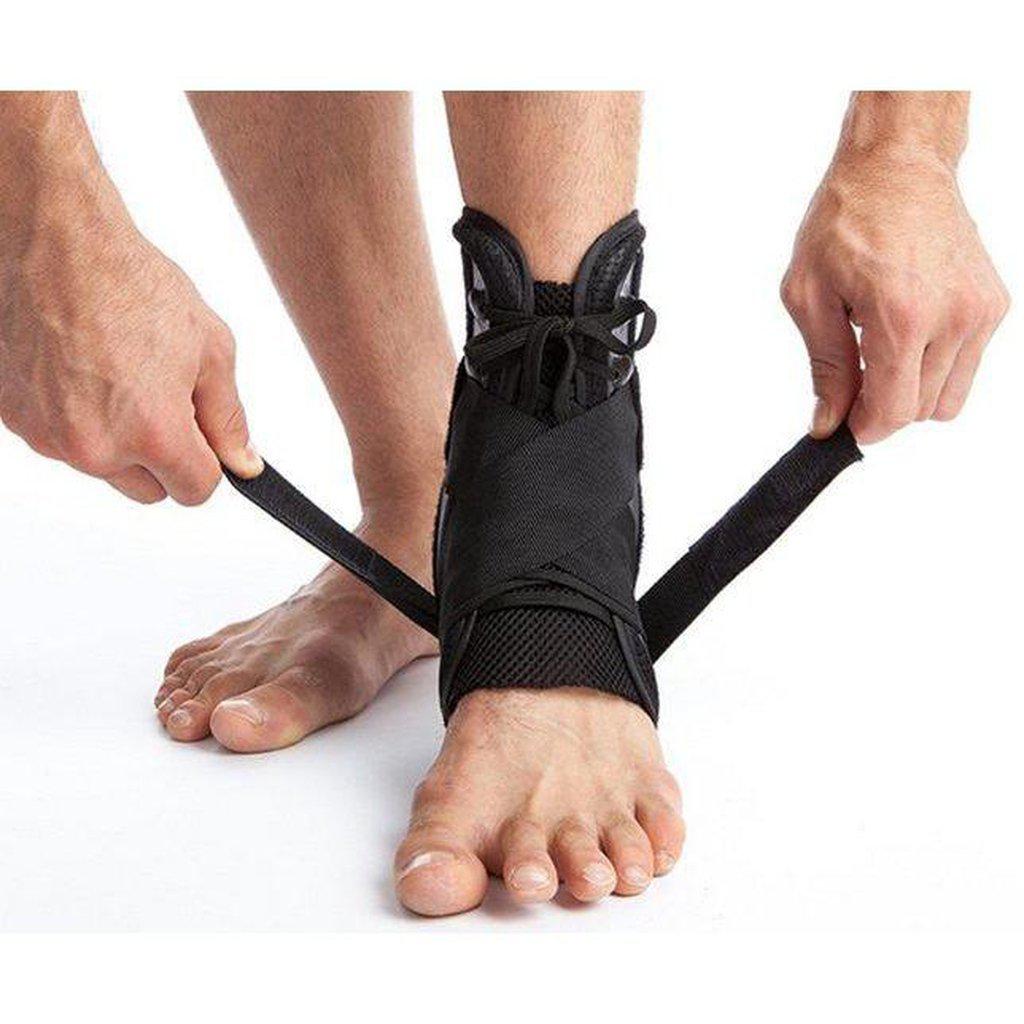
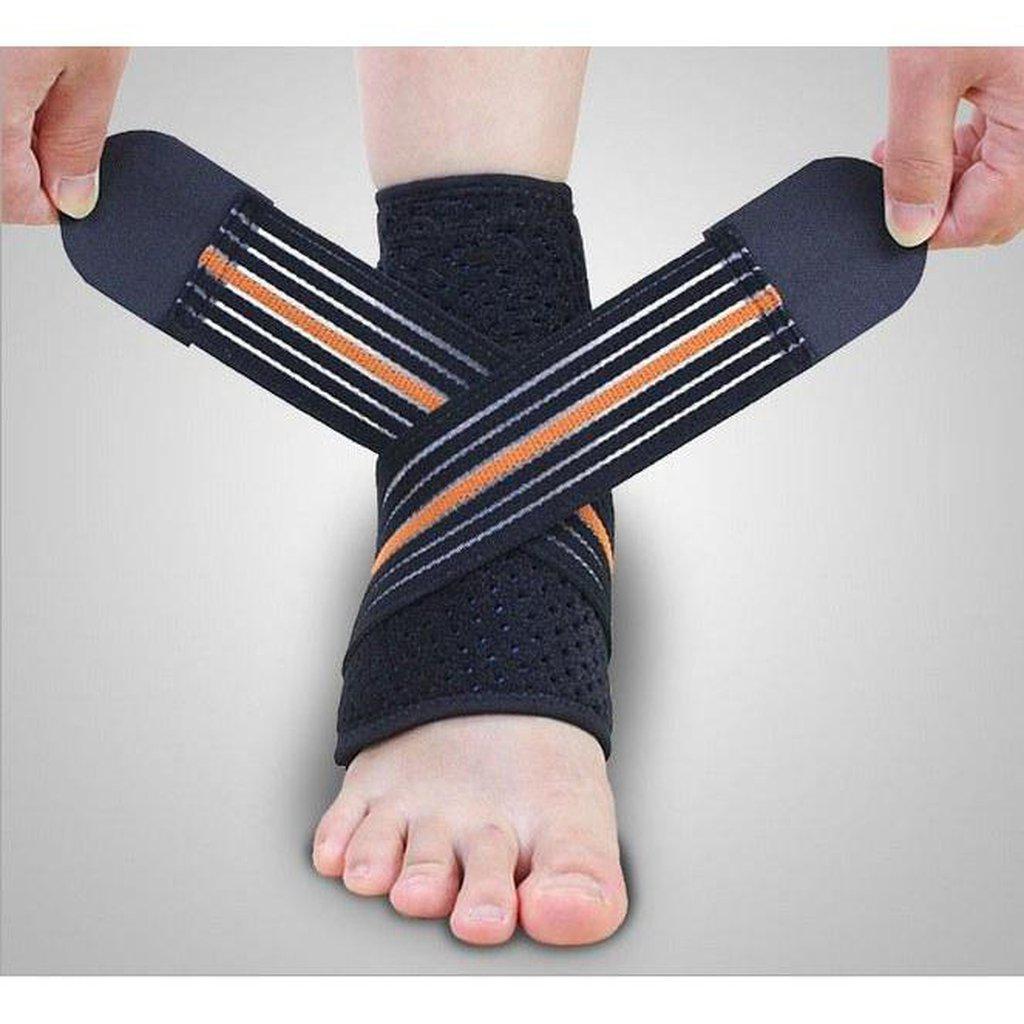
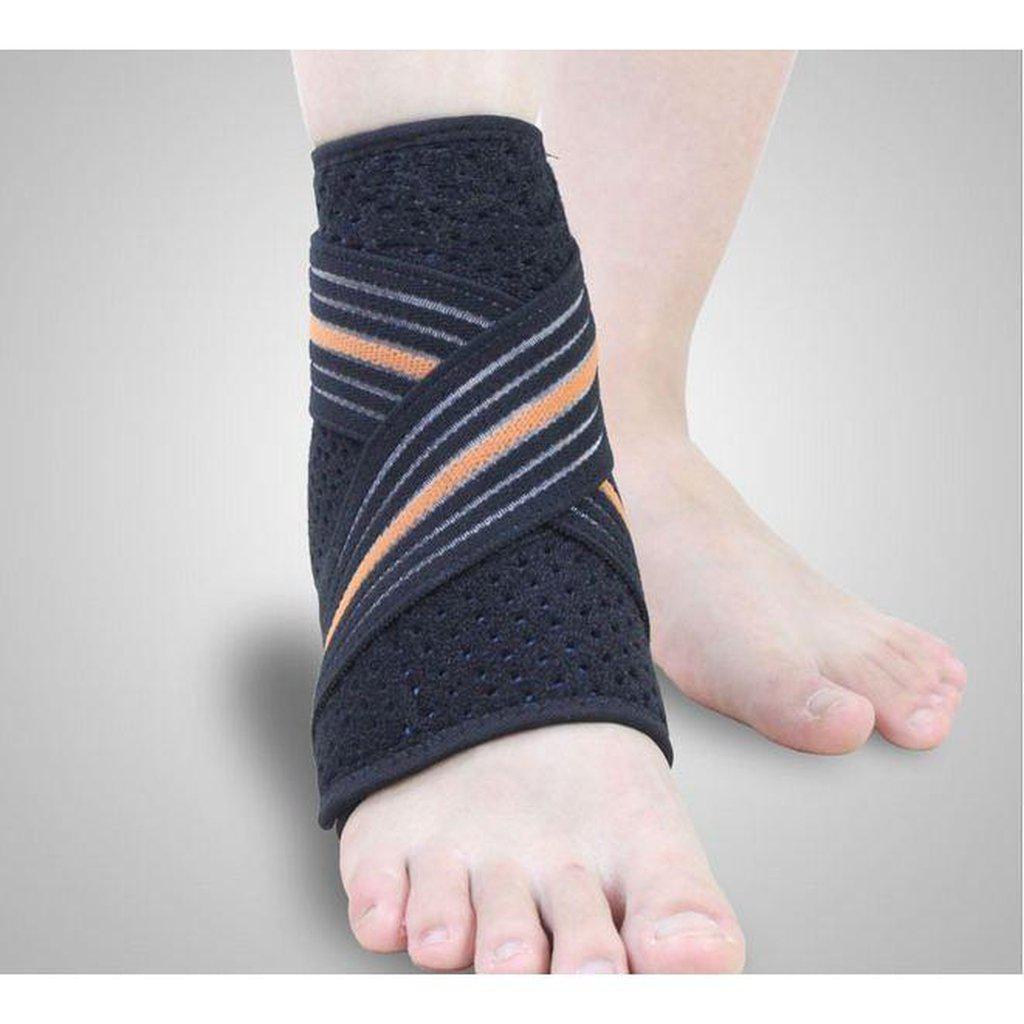
Some people find a support more comfortable while exercising, and like the steadier feeling it gives a joint that has let them down before. Being straight about it: a support will not make the joint stronger and it will not stop you getting injured. What builds strength is the movement itself. A support is there to make the session more comfortable while you do it.
General information, not advice about your own joints or a substitute for seeing a clinician.