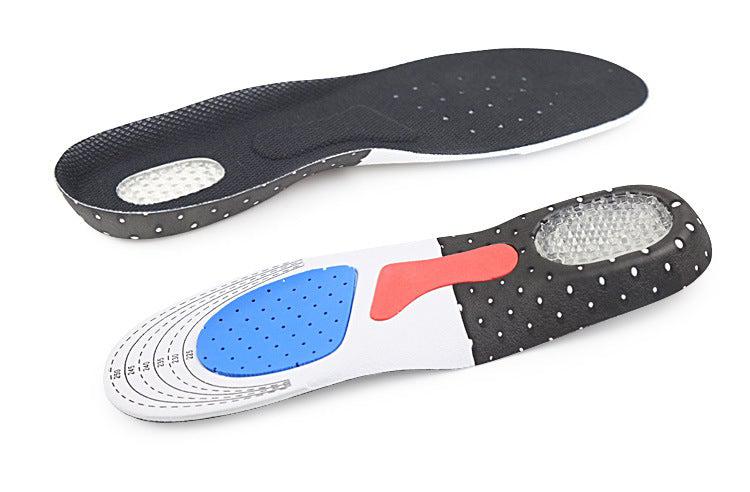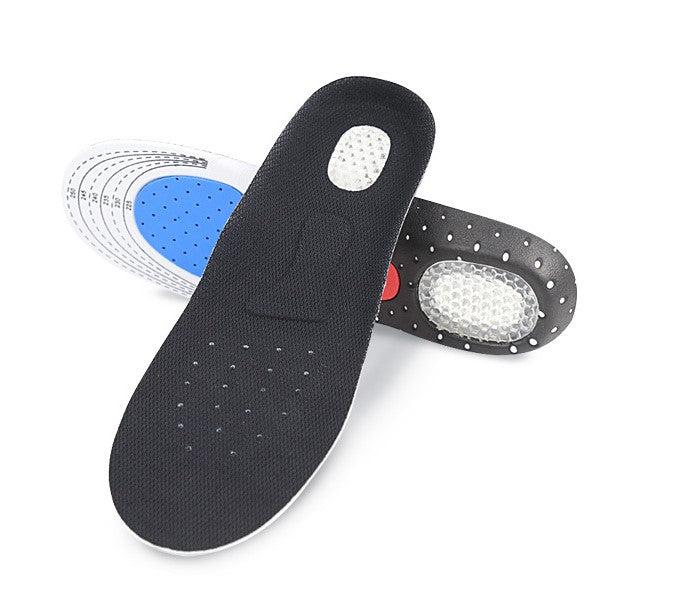

You may be asking yourself "What shoes can I wear after spraining my ankle?", then you are just like hundreds of others who find that finding adequate footwear can be a problem after suffering from a sprained ankle.
As we discuss in the Ultimate Guide to Ankle Sprains, this is because the ankle usually swells and balloons in order to protect the delicate newly injured ligaments from any further damage, with persistent swelling sometimes remaining for 3-6 months.
What shoes should you wear with a sprained ankle?
Choose shoes that open wide and have a firm, supportive sole. A sturdy pair of trainers is ideal if they open wide enough for your swollen ankle: loosen the laces right down the shoe, not just at the top. Avoid flip flops, which give no support, and avoid any shoe that presses into the swelling.
Many people resort to walking in flip flops, more because due to the swelling they are the only thing that will fit, but in reality, the average flip flop gives absolutely no support and very little shock absorption to a freshly injured ankle.

Take a look at the shoes you were wearing when you sprained your ankle. Look for clues it may be time to ditch them.

Choosing footwear with a sprained ankle
How long it takes to get back into your normal shoes varies a lot from person to person, and with how severe the sprain is.
Getting back into supportive footwear when you comfortably can is worth doing. Make sure you choose shoes which open wide with solid soles, or a sturdy set of trainers if they also open wide enough to fit in your ankle.
Loosening the shoe as much as possible is beneficial to maintaining circulation in the rest of the foot, with trainers it's important not just to loosen the top of the laces, but also the laces further down the trainer as well.
If the shoe opening is pressing into your ankle and leaving indents in your swelling, then the shoes are too tight and should not be worn. Tight-fitting shoes can limit circulation around the foot and can contribute to persistent ankle swelling.

Check Your Old Shoes
Check all the surfaces, touch it and see if the sole has been worn in a particular area. Worn soles are less supportive and simply getting a new pair can make you more stable. If your shoes were not the culprit, perhaps it was a loss of balance? Read more about restoring balance.
Worn soles lose their grip and their support. If you wear the same shoes or trainers most days, it is worth checking them over now and again and replacing them once the sole is visibly worn down. If you run or train several times a week you will usually get through a pair faster than that.
Best types of shoes for a sprained ankle
- Trainers that open wide, with the laces loosened all the way down: a supportive sole with an adjustable fit.
- Shoes with a firm, solid sole that open wide enough not to press into the swelling.
- Wide-fit or adjustable-strap styles while the swelling settles.
- Avoid flip flops: no support and very little shock absorption for a freshly injured ankle.
- Avoid anything that leaves indents in the swelling: it is too tight and can limit circulation.
- Around the house, an ankle support is an easier alternative to shoes, covered below.
Consider an Ankle Support
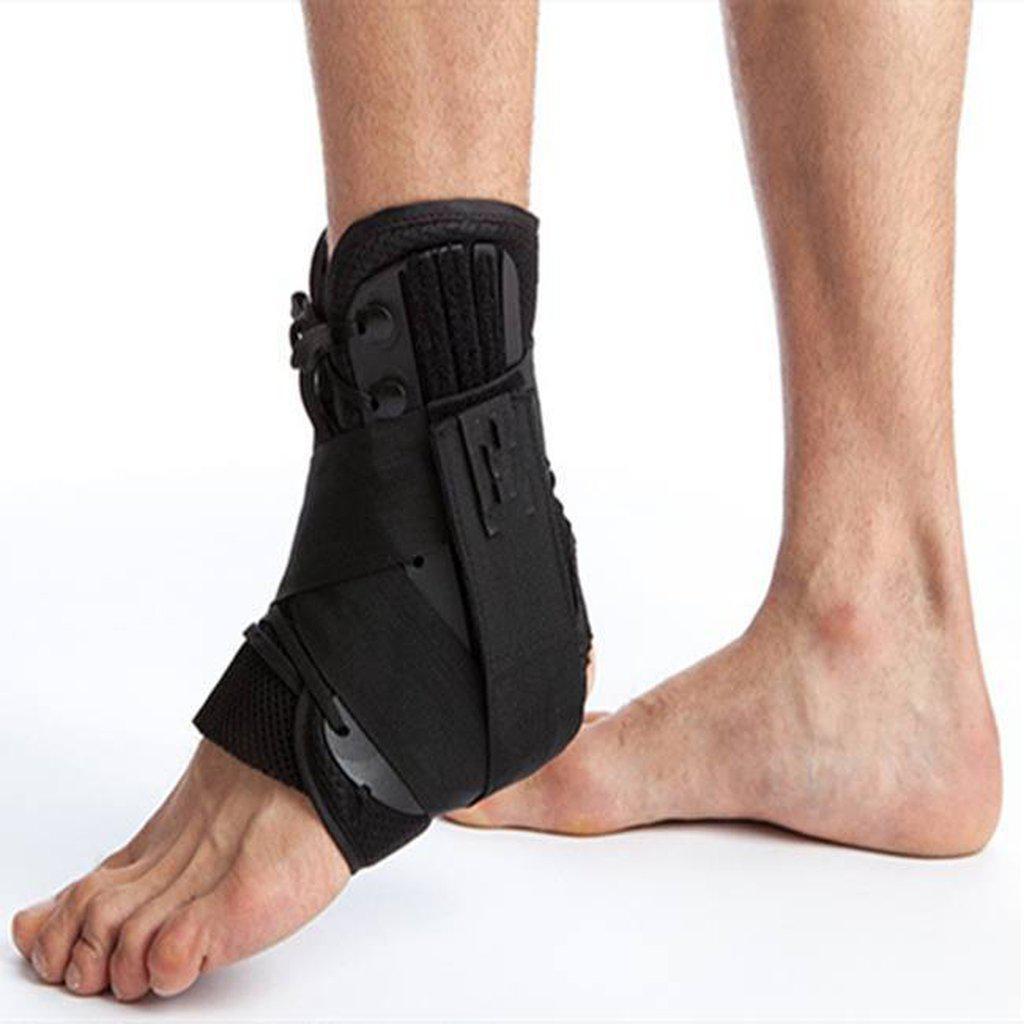
Around the house, an ankle support is often easier to get on than a shoe, and some people find the wrap-around fit more comfortable while the swelling settles.
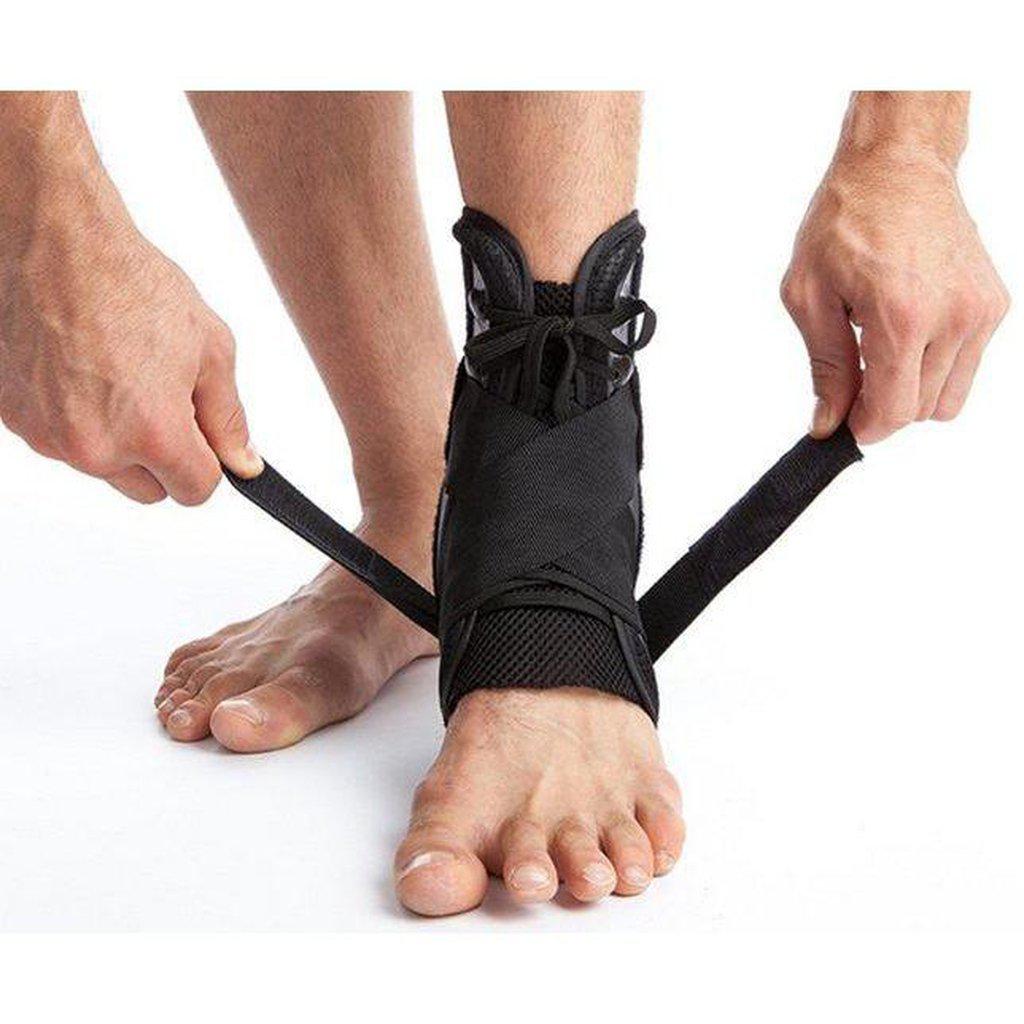
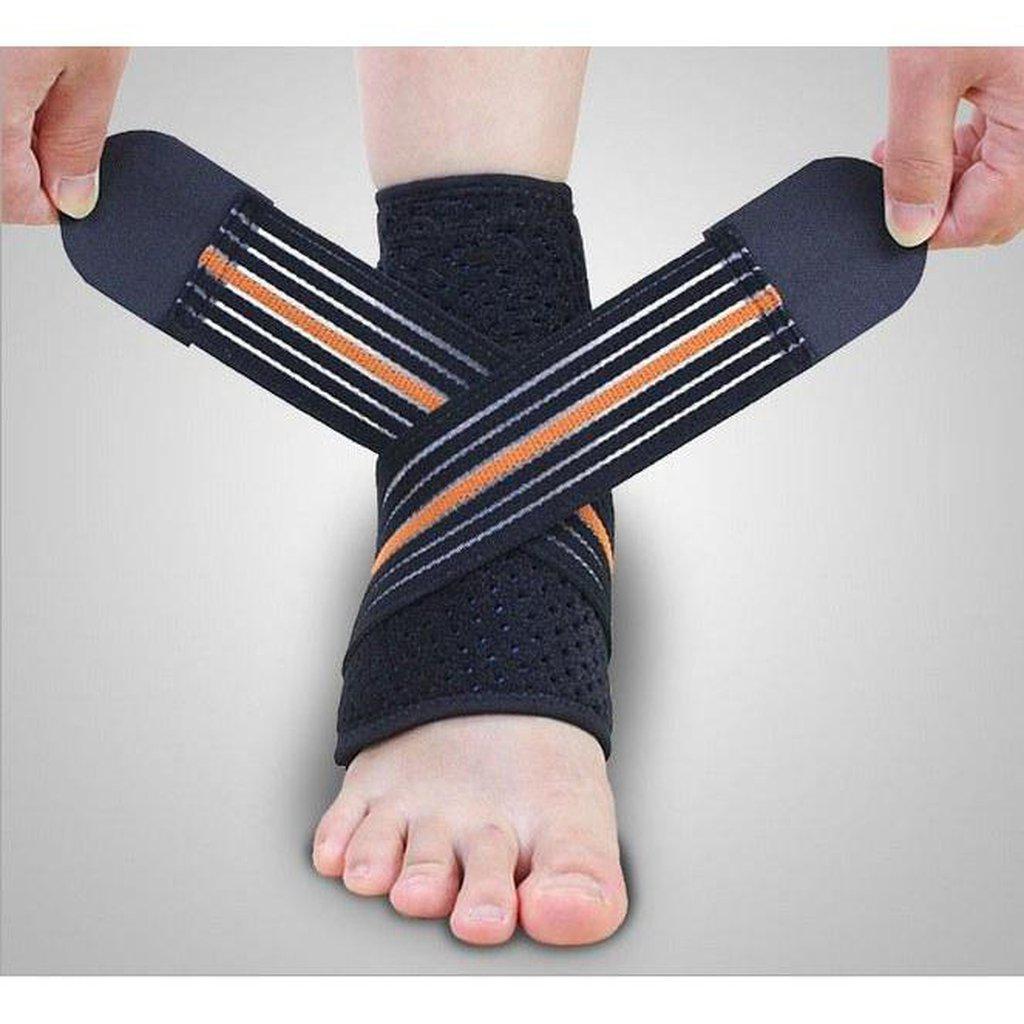
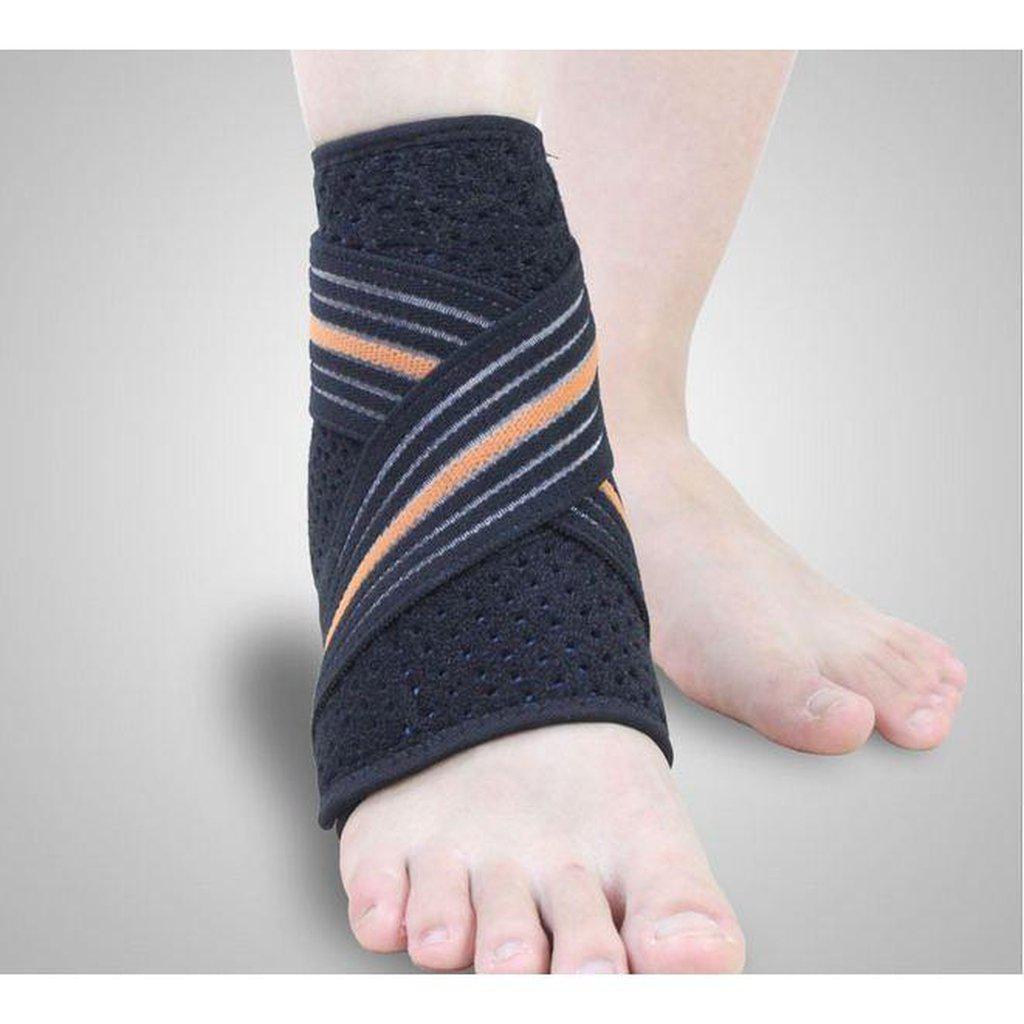
A solid alternative to wearing shoes around the house is wearing an ankle support. Much easier to get your foot in, it also wraps around tight enough to give the feeling of support for your weakened ankle.
The Essential Wellness ankle support also comes complete with a criss-cross support strap which allows you to overtime adjust the level of support for the different stages of recovery.
Lighter when the injury is fresh, with a tighter, more supportive wrap once the injured ankle becomes weight bearing again.
People wear it for a range of reasons, including a twisted ankle, swelling, arthritis and tendonitis. If you are recovering from ankle surgery, follow your surgical team's advice on what to wear and when, rather than ours.
If your ankle gives way, you cannot bear weight on it, or it is hot, red and swollen, see a GP or physiotherapist rather than relying on a support.