
Can I Drive with a Sprained Ankle?
Quick answer: most people are ready to think about driving again once they can press the pedals firmly without pain, stand on the injured leg, and walk without limping. Those are signs, not clearance: the law asks that you can control the vehicle and perform an emergency stop, and your insurer may take its own view. If braking hurts, or your ankle is badly swollen, do not drive.
As detailed in our Ultimate Guide for Ankle Sprains, there are three stages of ankle sprains, so whether you can drive generally comes down to the severity of your injury plus the personal feeling and confidence you have in using your ankle. Safety is the most important thing while driving if there is any reason to doubt your ability to drive a vehicle safely this could invalidate your insurance or worse, cause an accident.
Can you perform an Emergency Stop?
Insurance companies will often use this as a marker if you are able to perform an emergency stop (rapid and intense pressure on both the clutch and the brake at the same time).
Was your ankle sprain is severely swollen or giving you sharp pains? Any suspicions that your ankle could be broken may mean a trip to A&E is advised before you start driving.
Are you able to bear weight on one leg and go up on your toes when standing? If you can, that is a reasonable sign your ankle is recovering enough to try.
If you are in any doubt the best thing to do to see if you are able to drive with a sprained ankle is sit in the car and push up and down on the pedals. Remember that one single action may feel absolutely fine but after 20 minutes of driving your ankle may begin to ache and fatigue.
SAFE driving Checklist
Signs you may be ready
- No pain with ankle movement
- Able to stand on one leg
- Able to press the clutch and/or brake without issues
- Usual walking/gait pattern (no limping)
Signs to wait
- Pain with movements of the ankle, even when sitting
- Difficulty getting up or down the stairs
- Severe swelling or bruising so your usual shoes don't fit
- Unusual walking/gait pattern (limping)
This checklist is a sensible self-check, not a clearance to drive. If you are in any doubt, speak to your GP or physiotherapist, and check your insurer's position. Just as with walking and stairs, it may take time to rebuild your stamina for driving, and it will be affected by the type of car and the driving environment.
All of the above may be different if you drive an automatic and you’ve sprained your left ankle - in that case, keep resting it, wear supportive shoes and keep your eyes on the road :)
Where an ankle support can help
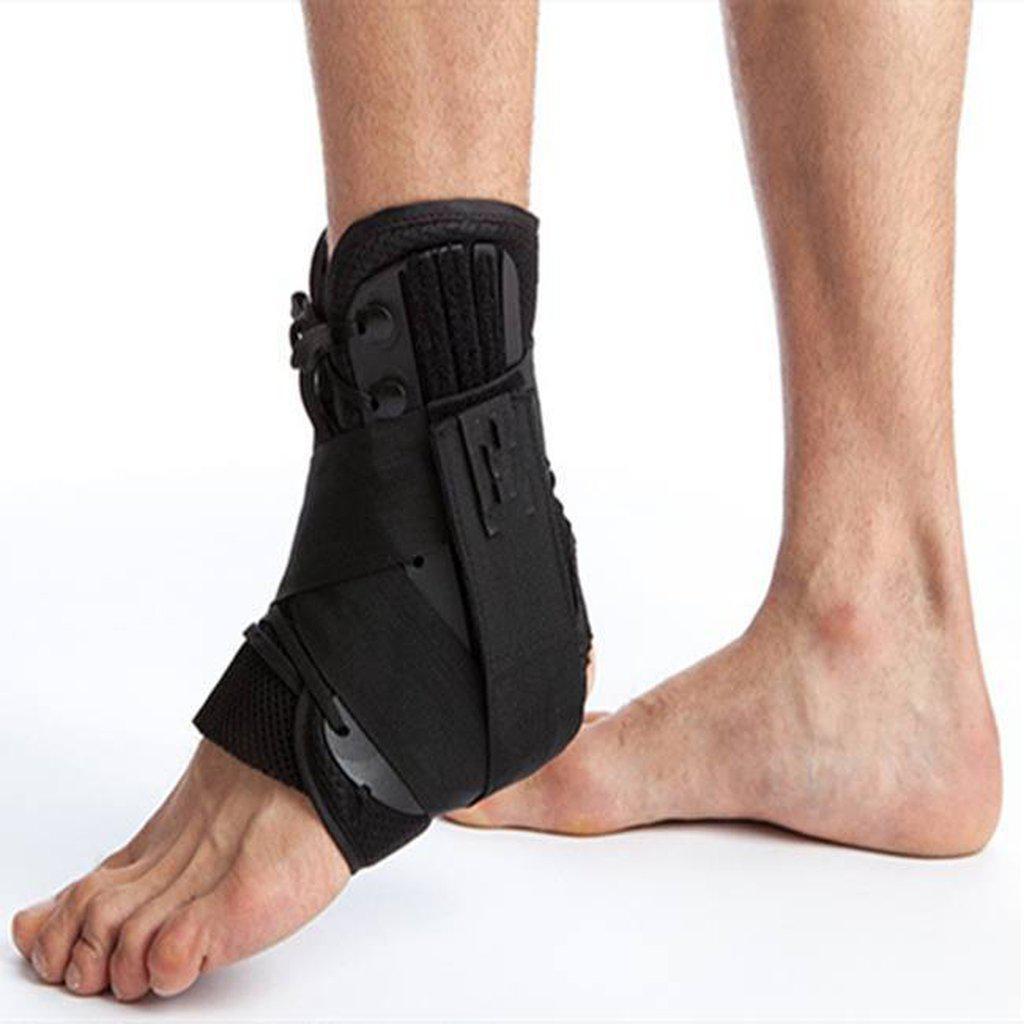
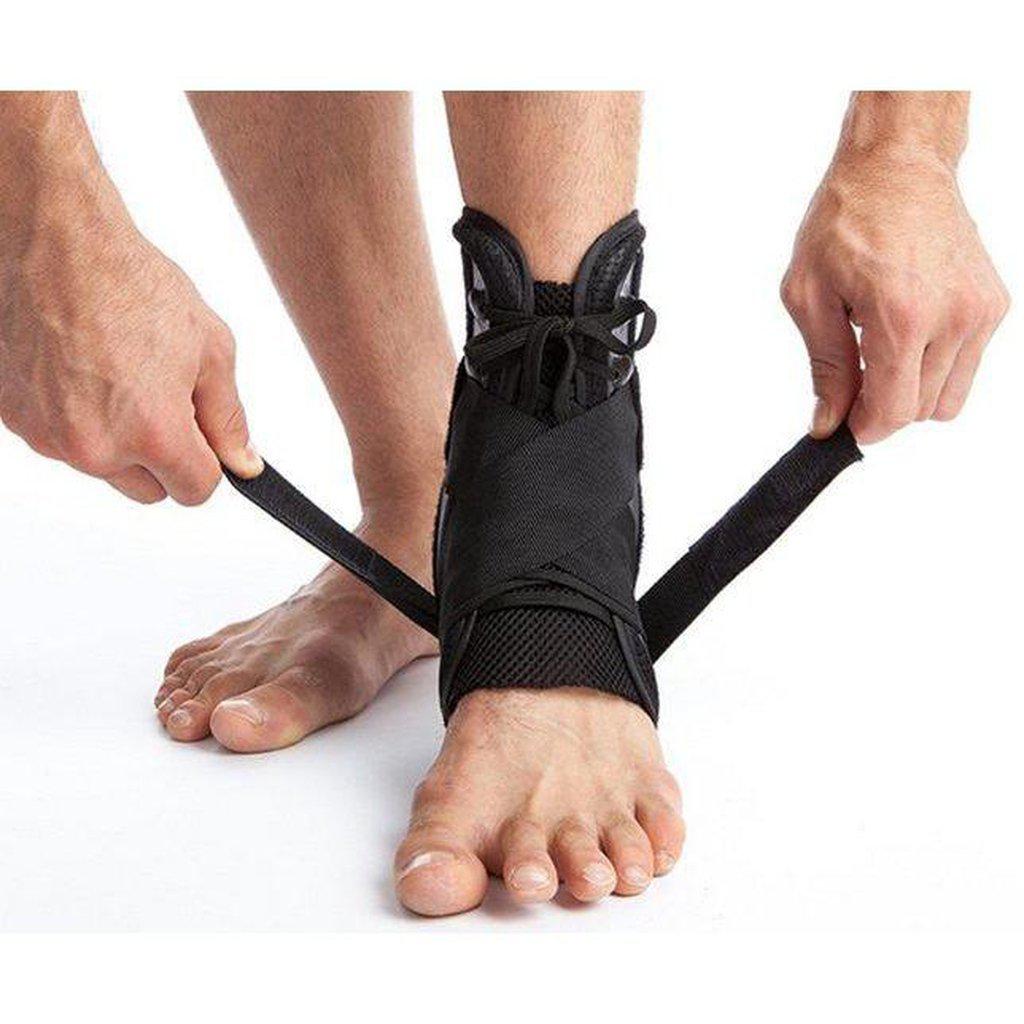
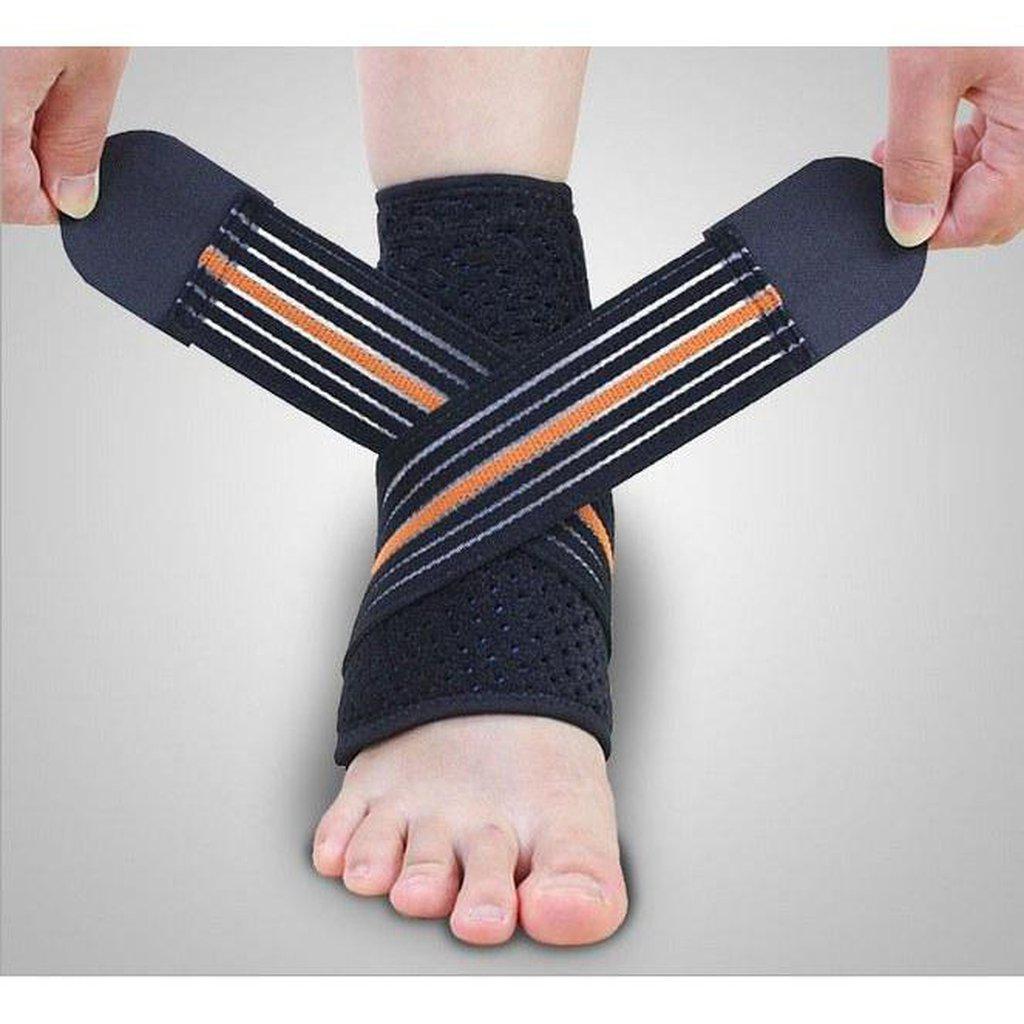
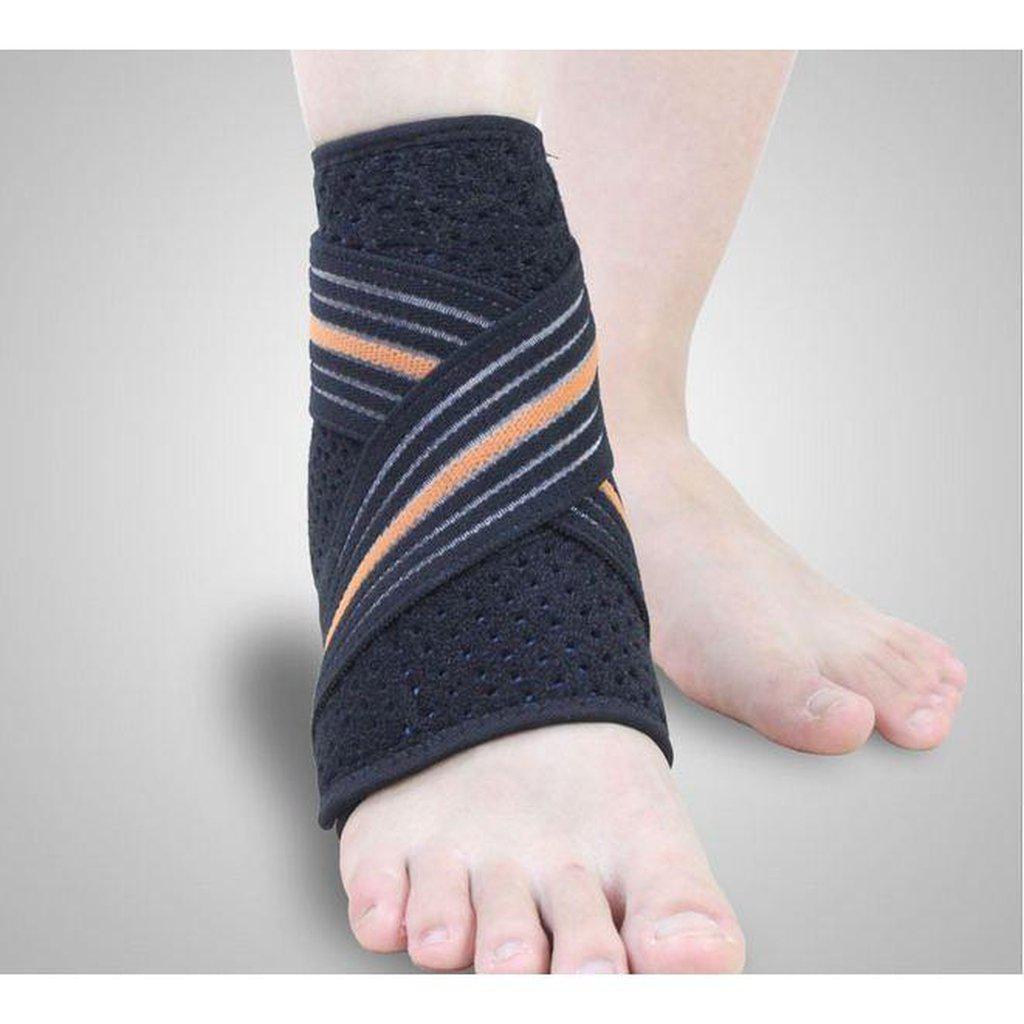
If your ankle still feels weak or unsteady once you are cleared to drive, some people find an ankle support gives them a steadier, more confident feeling while they build back up. It will not heal the sprain or make you safe to drive on its own, so use the checklist above first.
It is wearable inside a shoe, and the criss-cross straps let you adjust the level of comfortable compression to what suits you.