
[Last Edited: 24/08/26]
Recovering From Common Knee Injuries
Whatever your age, activity level or fitness, knee injuries can happen to anyone. Recovery takes the time it takes, and that is mostly down to the injury rather than anything you wear. What a support can do is hold the knee firmly while you get on with the day, which many people find makes moving about more comfortable and less daunting.
Ligament Injuries
Sprains and strains happen when the knee or leg over stretches. Sprains are graded 1 to 3, from partial tears through to full ruptures. A support can add a steadying sense of stability while the knee is sore. Rest is usually needed early on, and gentle movement afterwards is part of most recovery plans. Low-impact exercise such as swimming (not breaststroke) is often suggested for keeping the joint moving comfortably. Your GP or physiotherapist is the right person to say what stage you are at and what you should be doing.
Knee Osteoarthritis
Wear and tear in the knee joint over time can lead to pain and stiffness. Range of movement can be lost and movements like kneeling, squatting and stairs may become more difficult. A support can be useful for taking the pressure off, making the joint feel more stable and secure. Bending and straightening the knee on your bed will help avoid stiffness.
Cartilage Damage
The cartilage that protects the joint surface can get worn over time or can tear with twisting injuries or falls. Putting weight through the leg can be difficult and range of movement may be lost. It can often lead to trouble walking long distances. A support will not repair cartilage, but a firm, adjustable hold is something many people wear while they build back up to work and activity.
The '3-Point Lock' design provides more adjustment than the more common two strap design. It gives a firmer 'hug' of the knee, which helps the support stay in place with the cushioned ring sitting around the patella at the front.
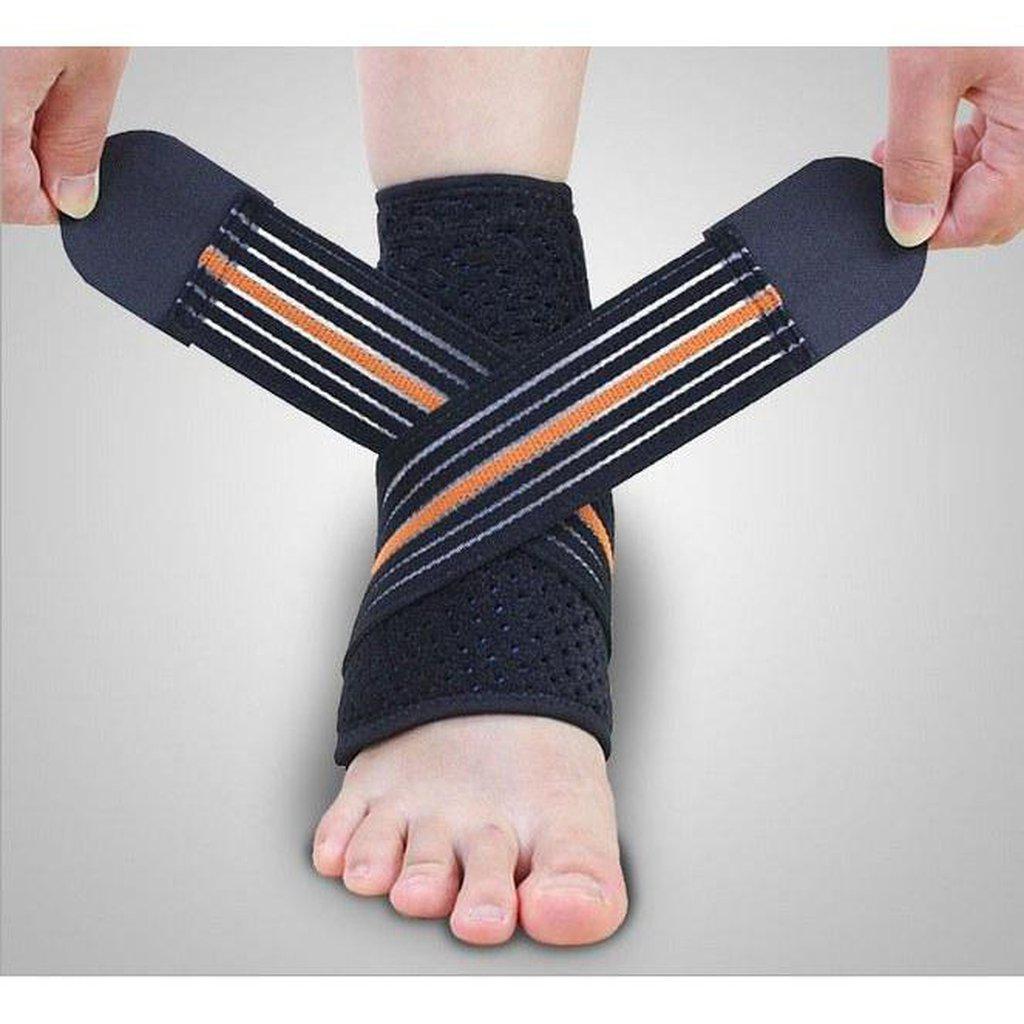
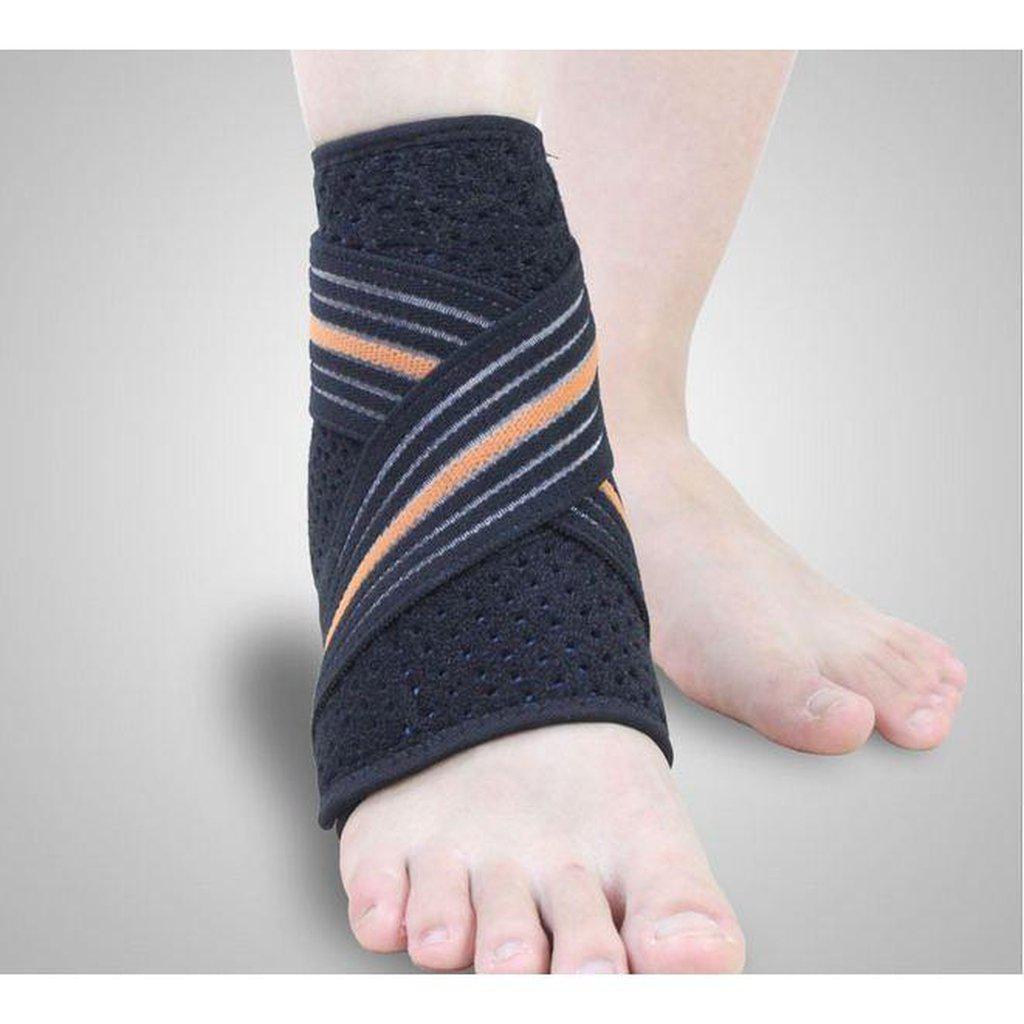
The Essential Wellness support comes with an elasticated strap and a cross-over design, so you can put the reinforcement where you want it.
If your knee locks, gives way, will not take your weight, or the pain is not settling after a couple of weeks, get it looked at rather than working around it. Sudden swelling, a hot joint, or a knee you cannot straighten are all worth a same-week appointment.