
Recovering from Common Ankle Injuries
Most of us will hurt an ankle at some point. This is a plain-English guide to the three that come up most often, what is actually going on inside the joint in each case, and what tends to help. If it is a sprain you are dealing with, our Ultimate Guide to Ankle Sprain Recovery goes into more depth.
Ligament Sprains
Sprains and strains happen when the joint or limb moves awkwardly or overextends. Sprains are graded 1 to 3, from partial tears to full ruptures. Ligaments are fibrous structures that attach bone to bone; they give stability to the ankle and help us balance. They are not very elastic, because they are built for stability rather than stretch, so when they are overstretched they can be damaged and become inflamed. This commonly happens when we lose our balance or the ankle moves in an unexpected direction.
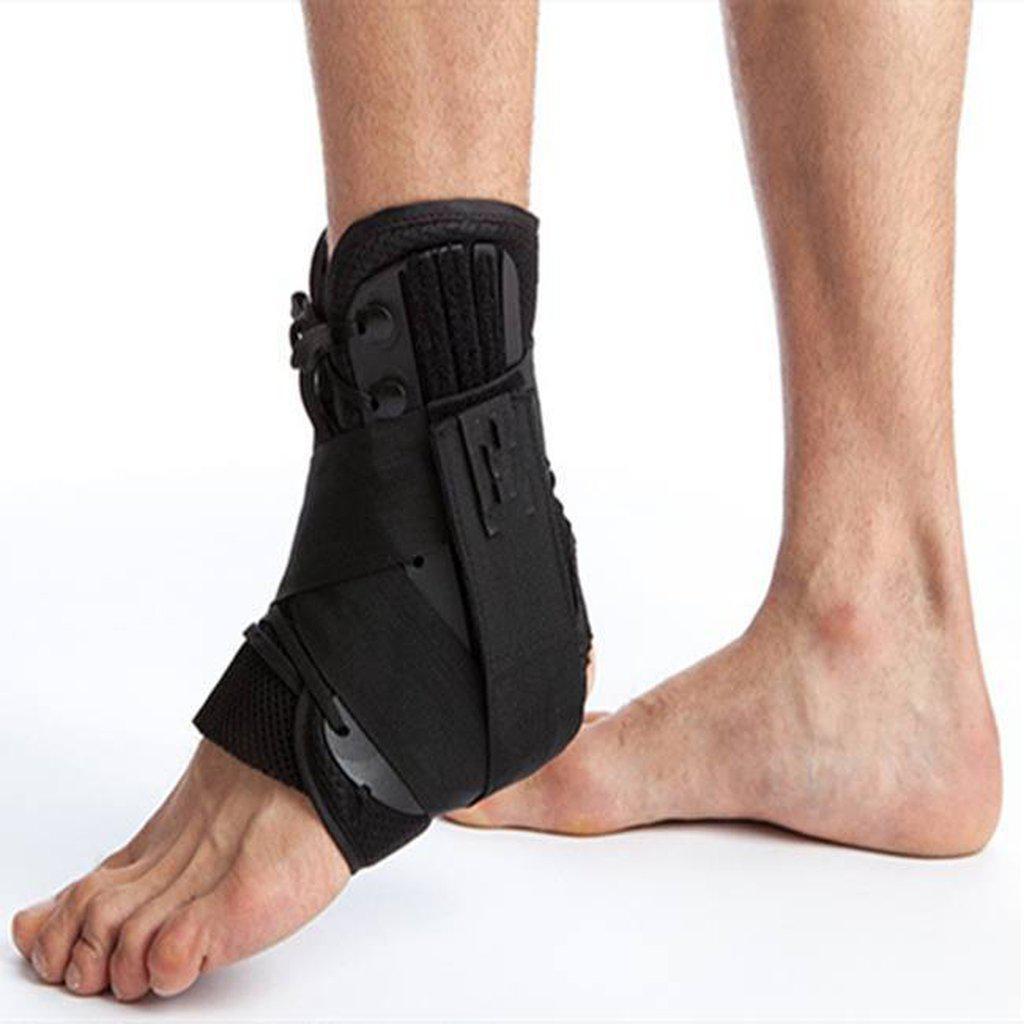
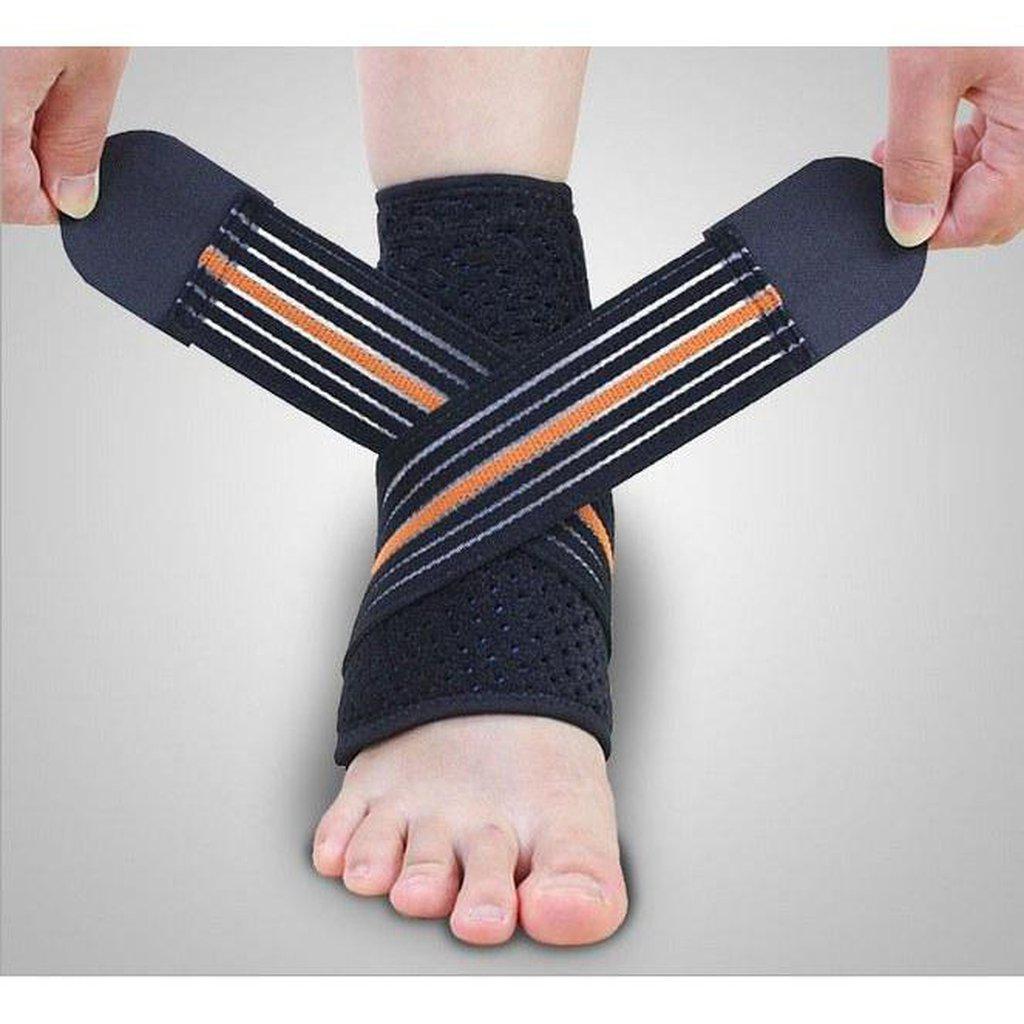
If you think you have sprained your ankle, the usual early steps are ice to take the heat and swelling out, gentle compression, and enough support to let you walk without a heavy limp. Moving reasonably normally, within what is comfortable, generally beats staying completely off it once the first day or two has passed. Our ankle support is one way to get that compression and support.
Achilles Tendinitis
Achilles tendonitis is inflammation in the tendon, usually as a result of overuse. It is common if you change your activity levels, your footwear, or gain significant weight: the Achilles struggles to adapt to the new load and gets inflamed. Common examples are walking up hills in flip flops, a HIIT session with lots of jumping, or increasing your running mileage or speed. Any of those can explain a swollen, painful tendon. After the initial acute stage the inflammation often settles while the pain persists, and the tendon itself can adapt and weaken in response.
Ice and a support can make it more comfortable by taking some load off the tendon and letting it rest. It can be hard to walk normally with it, and gentle stretches first thing in the morning are often suggested. Achilles pain that is not settling is worth taking to a physiotherapist, who can tell you which loading exercises are right for the stage you are at. That is the part that actually rebuilds a tendon, and it is not something a support can do for you.
Osteoarthritis
Ankle arthritis is a painful condition that limits movement in the joint. The ankle absorbs shock from the ground during activity, and repeated or sustained impact can contribute to joint pain over time. Symptoms are usually pain, swelling, stiffness and a loss of range of motion.
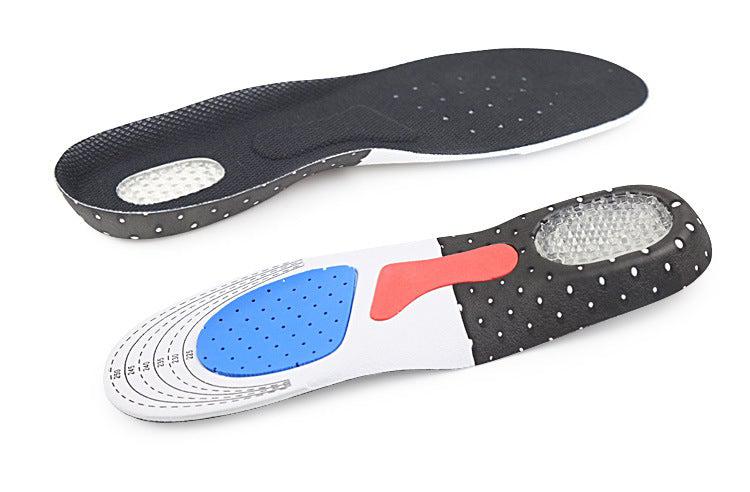
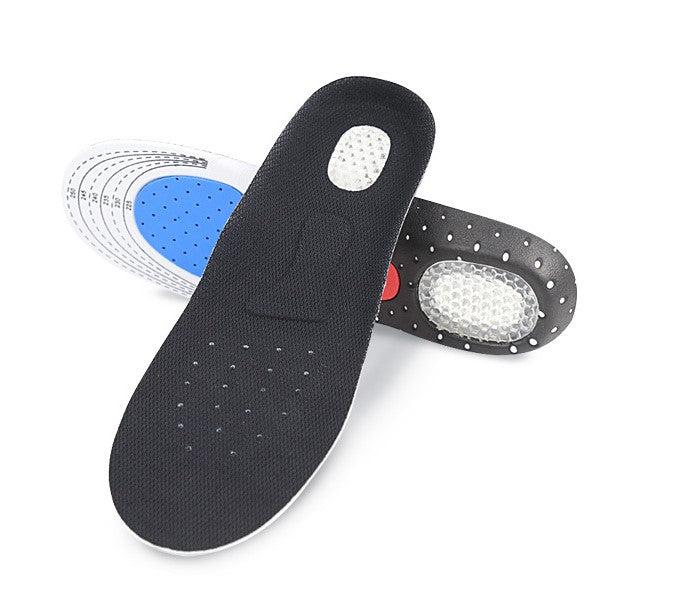
Footwear can make a real difference here: thicker, more cushioned soles. An ankle support can limit some of the movement that aggravates symptoms, which some people find more comfortable day to day. Swimming suits a lot of people with ankle arthritis because there is much less impact through the joint in water.
Arthritis is a diagnosis, not a self-assessment. If your ankle is painful and stiff over a long period, see your GP: what helps depends on what is actually going on, and there is more available than footwear and a support.
When to get it looked at
Whichever of these you think you have, see a GP or physiotherapist if you cannot bear weight on the ankle, if it keeps giving way underneath you, if it looks misshapen, or if it is hot, red and swollen. Those are not things to work through with a support on.

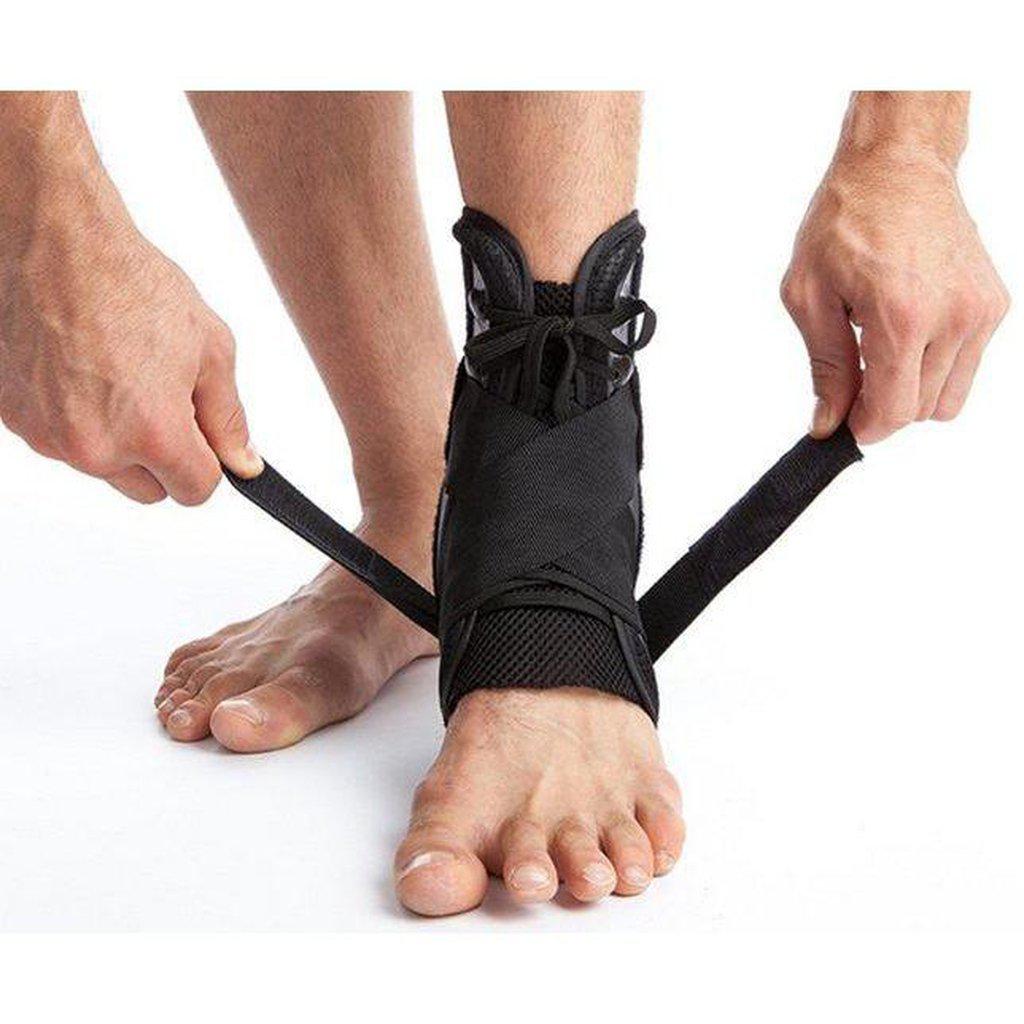
Essential Wellness Ankle Support Brace
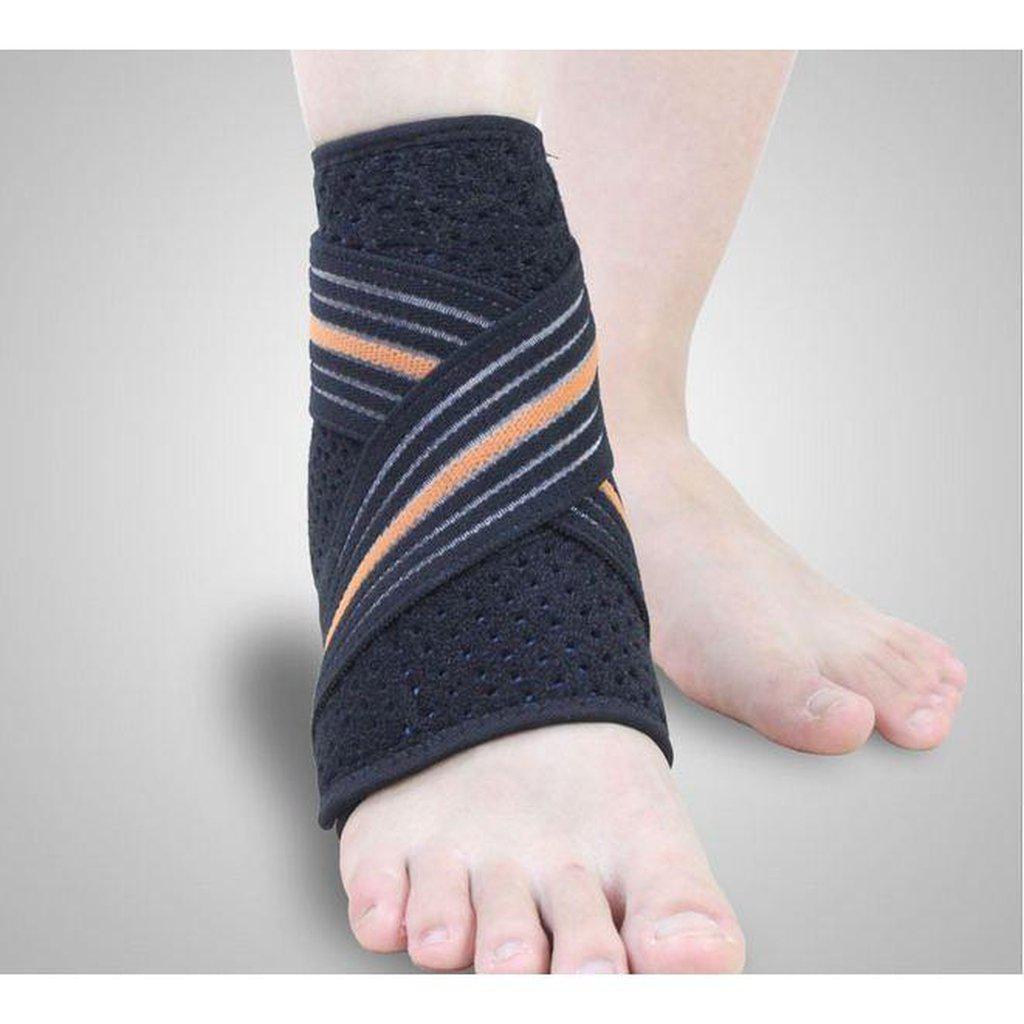
An adjustable ankle support with criss-cross straps, so you can set how firm the compression is and change it as things settle. People wear it for sprains, for tendon pain and for arthritic ankles. It will not heal an injury, and we would rather say so: what it does is make the day easier while you get on with the things that do.