
Ankles take a working life of load, and after an injury, or simply with age or a long-standing condition, yours may not feel as dependable as it once did. An ankle support is one of the simplest things people reach for, so it is worth being straight about what it does, what it does not do, and how to decide whether one belongs in your recovery.
What is an ankle support?
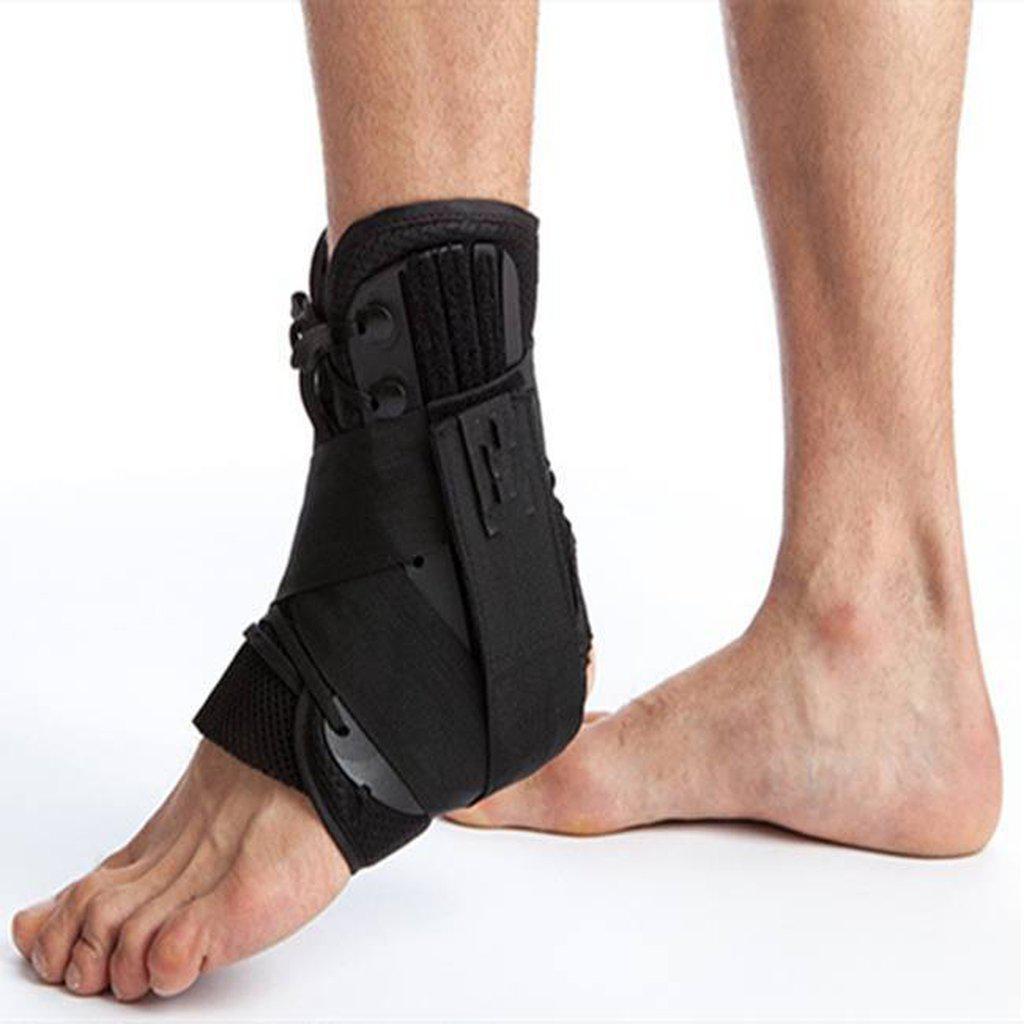
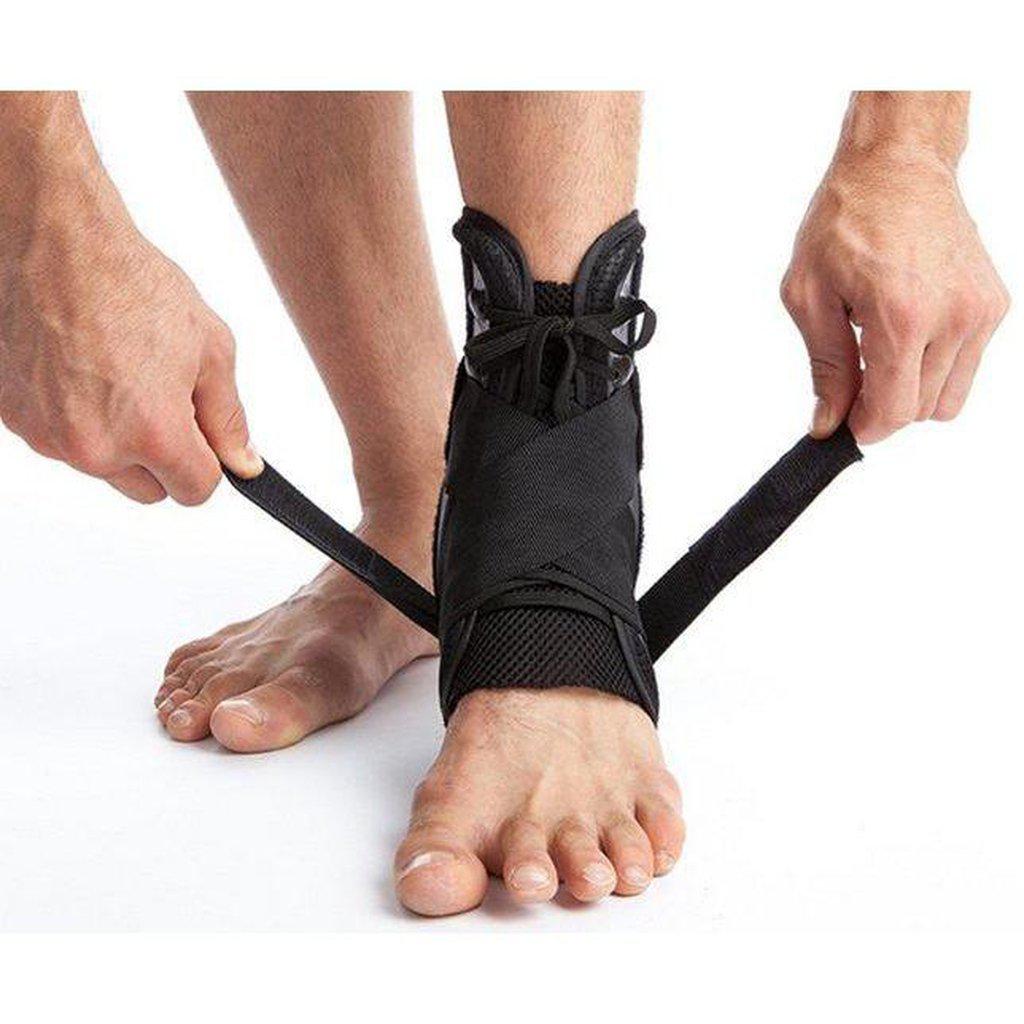
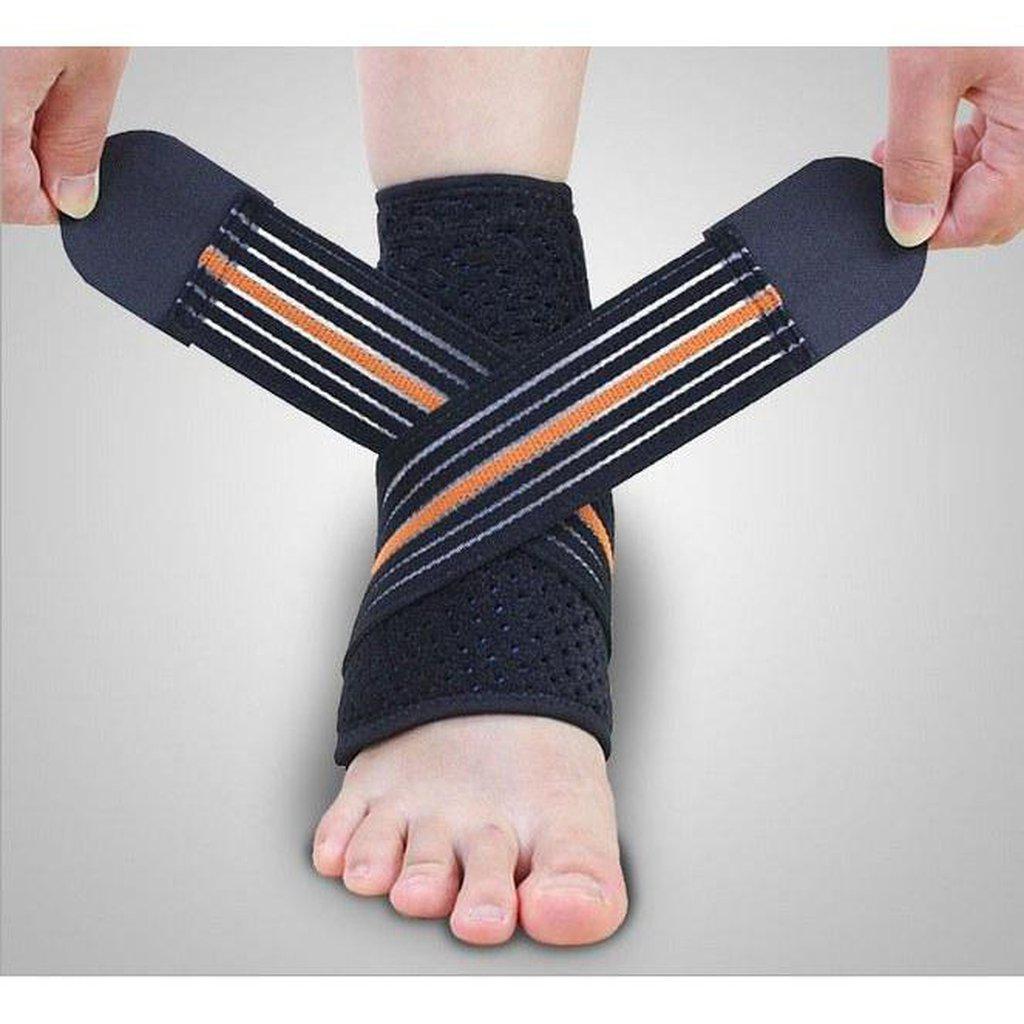
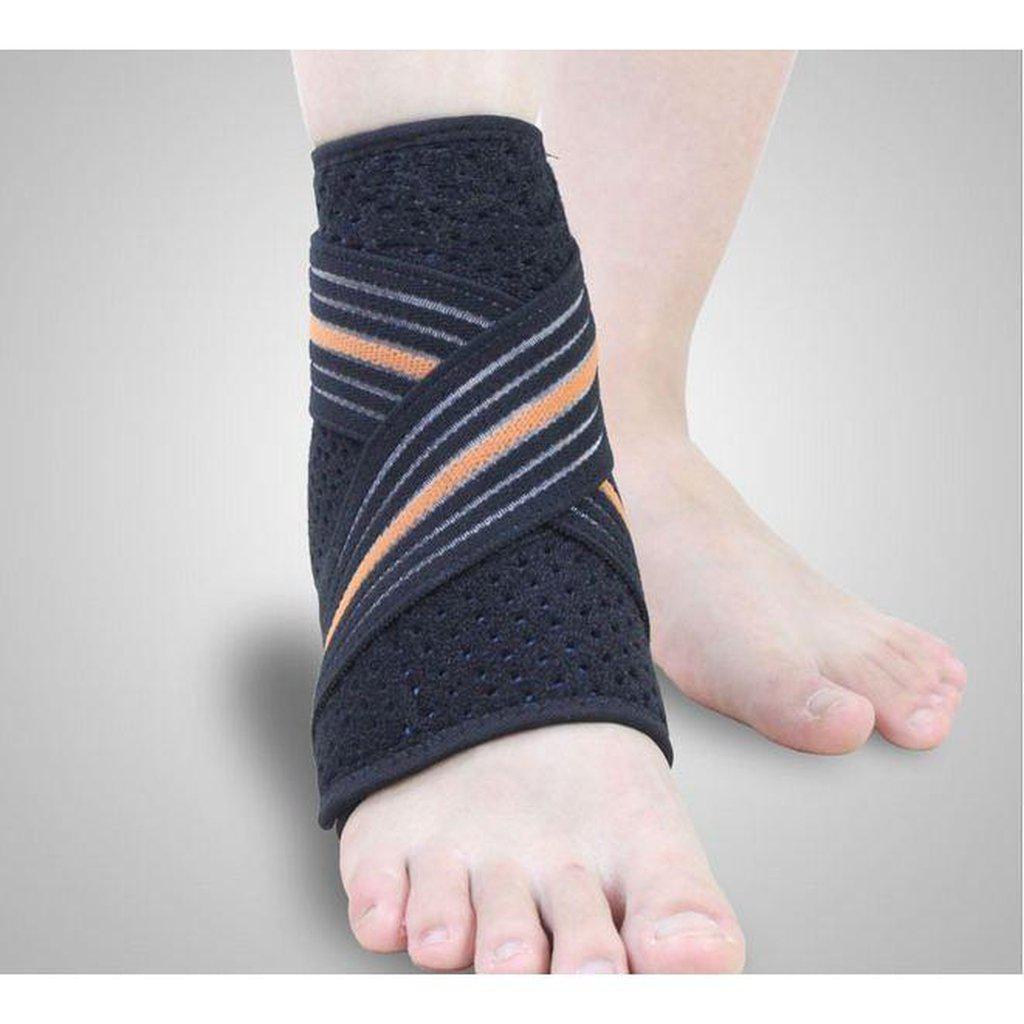
An ankle support is a fabric brace worn over the ankle and foot. Ours combines light compression with a reinforcing strap that wraps the joint for a firmer, more held feeling, and it fits either foot. Sizes run from small to extra large, measured around the ankle, so it sits close without pinching.
What does it actually do?
A stable, supported feeling
The honest heart of it: an ankle support will not heal an injury, and we are not going to tell you it makes further injury impossible. What it gives you is a close, supported hold around the joint. Many people find that makes getting about during recovery feel steadier and more comfortable, particularly on the days you are back on your feet before the ankle feels fully trustworthy.
Comfortable compression
A recovering ankle often puffs up towards the end of the day. Many people find gentle compression feels good at those times, a bit of containment while the ankle settles. If swelling comes on suddenly, or the ankle is hot, very painful or not improving week on week, that is a reason to get it looked at rather than compressed.
Confidence to keep moving
Recovery favours movement, and hesitancy is a real obstacle: when you do not quite trust the ankle, you move less. Plenty of people wear a support during walking, work or a return to exercise simply because the held feeling gives them the confidence to get on with it. That confidence is genuinely useful; just remember the strengthening work your ankle does is what rebuilds it, and a physiotherapist can show you exercises that do exactly that.
What an ankle support will not do
It will not speed up ligament healing, it will not fix a serious injury, and it should never stand in for getting a bad ankle assessed. If you cannot put weight on the foot, the ankle looks misshapen, you have numbness, or things are getting worse rather than better, see a doctor or physiotherapist first. For a realistic picture of healing times by injury grade, read our guide to sprained ankle recovery times, and for the early days of a sprain our guide to managing swelling and getting back to work.
Which ankle support is right for you?
We keep it simple. The Ankle Support with Reinforcing Strap gives the firmer, wrapped hold most people picture when they think of an ankle support. The breathable compression sleeve is lighter and more discreet, for when you want the compression without the strap. You can compare them side by side here.
Ankle support FAQs
Do ankle supports actually help?
They help with how the ankle feels: steadier, held and often more comfortable, which makes it easier to keep moving during recovery. They do not heal the injury itself, so pair one with rest early on, gradual strengthening, and professional advice where the injury is significant.
Should I wear an ankle support all day?
Wear it when it earns its keep: busy days on your feet, activity, or times the ankle feels unreliable. Give the skin a break when resting, and if you find you cannot manage without it months after an injury, a physiotherapist can help you strengthen the ankle itself.
Can an ankle support prevent injuries?
No support can make injury impossible, and we will not claim ours does. In sport, some people who have sprained an ankle before choose to wear support when they return to play for the steadier feeling. If your ankle repeatedly gives way, get it assessed rather than relying on a support.
Every order is covered by our Karma System: try it for up to 30 days, and if it is not right for you, exchange it or get your money back.