
Is a wrist support the best thing for my carpal tunnel symptoms?
Short answer: a wrist splint is one of the first things the NHS suggests trying for carpal tunnel syndrome, and it is worn at night while you sleep. It will not cure the condition and it is not a way of avoiding one. What it does is hold the wrist straight, which relieves pressure on the nerve.
The NHS notes that carpal tunnel syndrome often settles by itself over a few months, and that a splint may need wearing for up to six weeks before it starts to feel better. So this is a slow, steady thing rather than a quick fix, and it is worth knowing that before you start.
What a wrist support actually does
It keeps the wrist straight, which eases pressure on the nerve
Carpal tunnel symptoms come from pressure on a nerve as it passes through the wrist. A splint works by holding the wrist straight rather than letting it bend, and a straight wrist is the position that puts least pressure on that nerve. That is the whole mechanism. It is simple, and it is why the NHS lists wearing a wrist splint at night as something you can try yourself.


What actually reduces the strain
A support is not a substitute for changing what is aggravating the wrist. The NHS advice is to stop or cut down on anything that makes you bend the wrist repeatedly or grip hard, such as vibrating tools at work or playing an instrument. If typing or manual work is the trigger, that is the thing worth looking at first. A splint alongside those changes is reasonable. A splint instead of them is treating the alarm rather than the fire.
It takes the guesswork out of wrist position
Symptoms are usually worse at night, and that is the awkward part: you cannot control what your wrist does once you are asleep. Most people end up lying on an arm or with the wrist folded over, which is exactly the position that loads the nerve. A splint settles that question for you. During the day, if you want to wear one for a particular task, the same rule applies: it should feel supportive, never tight or numbing.


Wearing one at night
This is the way a splint is usually recommended. You put it on before bed, it keeps the wrist straight through the night, and you take it off in the morning. Some people notice a difference within a week or two, others take longer, and the NHS says to give it up to six weeks before judging it. If it wakes you up, feels tight, or your fingers go more numb with it on, it is too tight or the wrong size rather than something to push through.
Carpal tunnel syndrome is frustrating precisely because the thing that aggravates it, wrist position, is hard to control. That is what makes a splint a sensible, low-cost thing to try, and it is why it appears on the NHS self-care list. It is common in pregnancy too, when hormonal changes affect joints all over the body, and a splint is often what people reach for during those months. See a GP if the numbness or tingling is constant rather than coming and going, if your thumb feels weak or you are dropping things, or if it is not improving after a few weeks. Those are the signs that it needs assessing rather than managing at home.
1
Worn at night, to keep the wrist straight while you sleep
2
A contoured metal bar, so you are not relying on willpower to hold the position
3
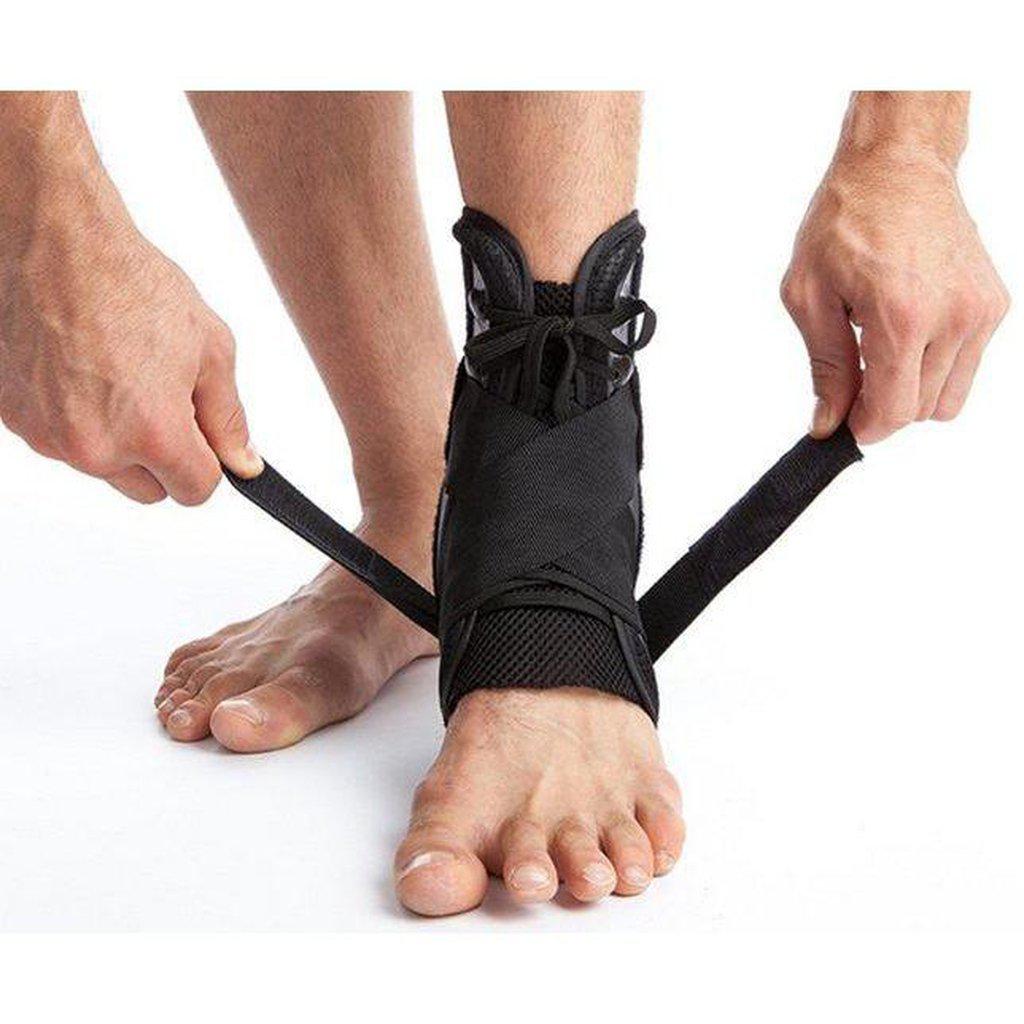
Adjustable, so you can set it snug without it being tight
Your Wrist Support
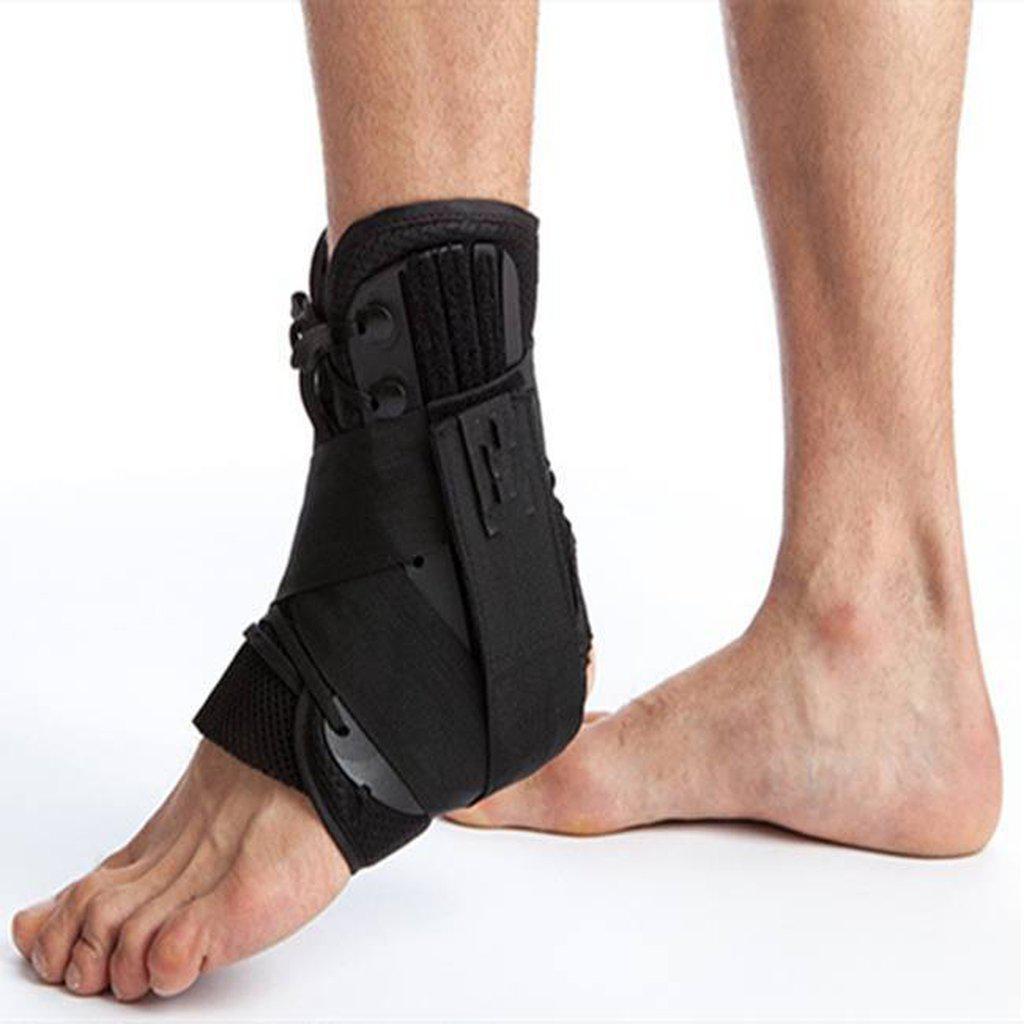
If you want to try a splint, ours is adjustable with a contoured bar that holds the wrist straight.

Wrist Support
Adjustable, with a contoured metal bar that keeps the wrist straight. Comfortable enough to wear overnight, which is how a splint is usually recommended.