
If you have recently sprained your ankle and want to get back to work, this is a realistic run through what tends to help and how to judge when you are ready. There is more depth in our Ultimate Guide to Ankle Sprain Recovery.
The NHS recommends PRICE for the first 2 to 3 days after a sprain. It will not make the injury heal faster - nothing does - but it keeps the swelling in check and keeps you comfortable, which is what makes the difference to whether you can work.
P - Protection
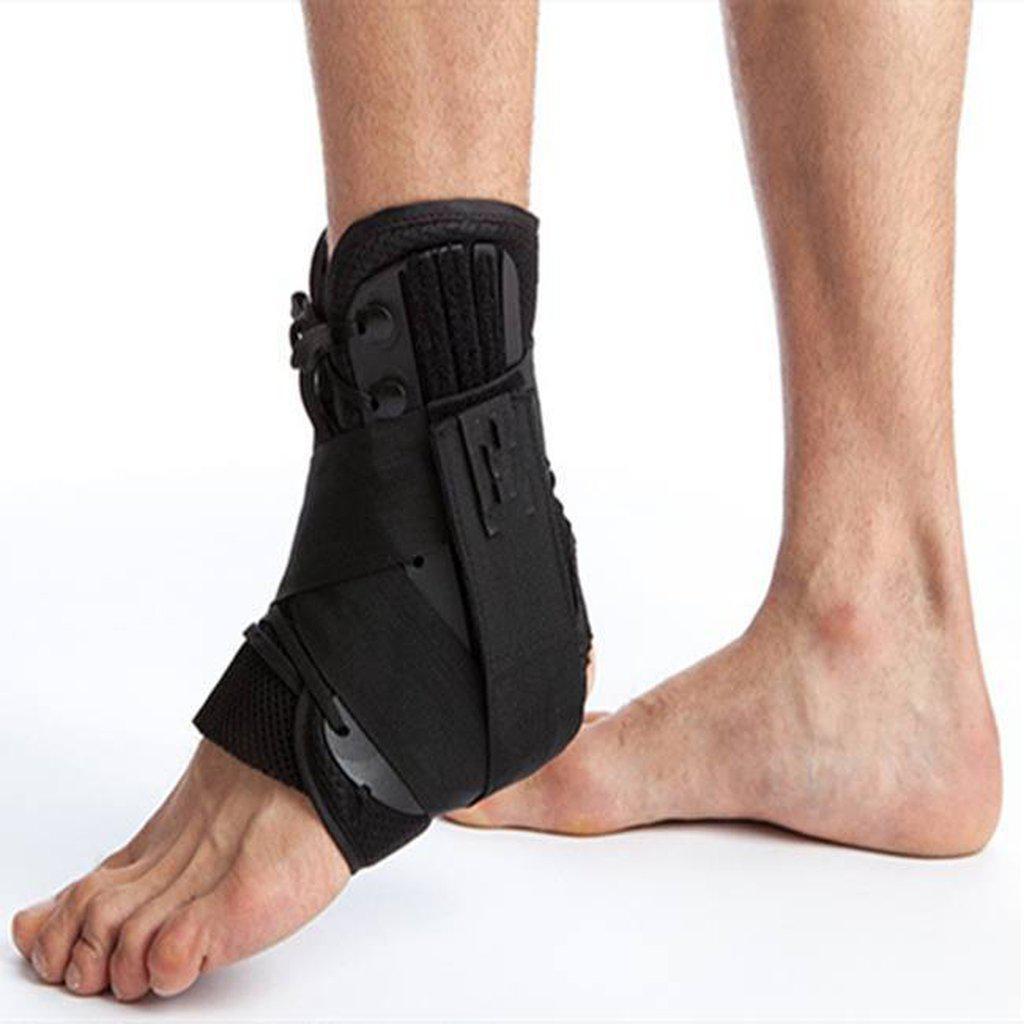
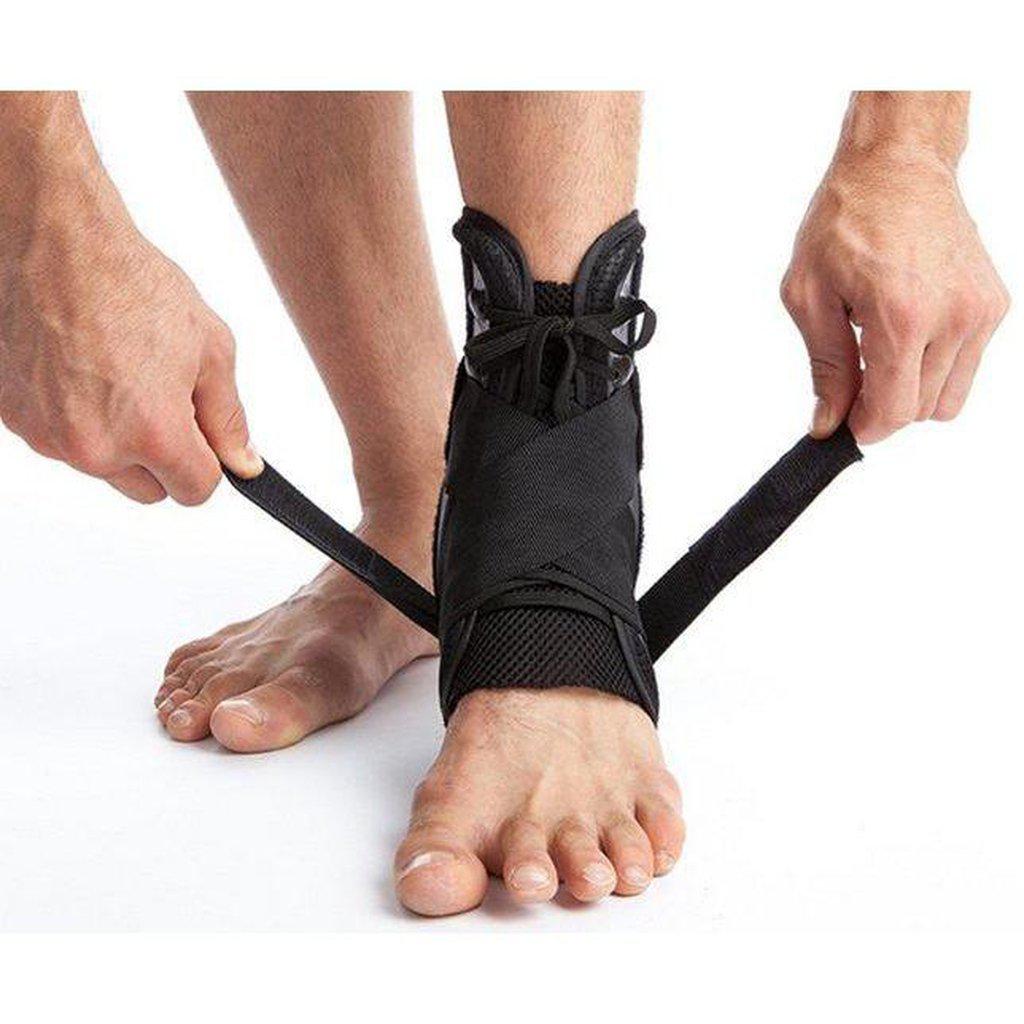
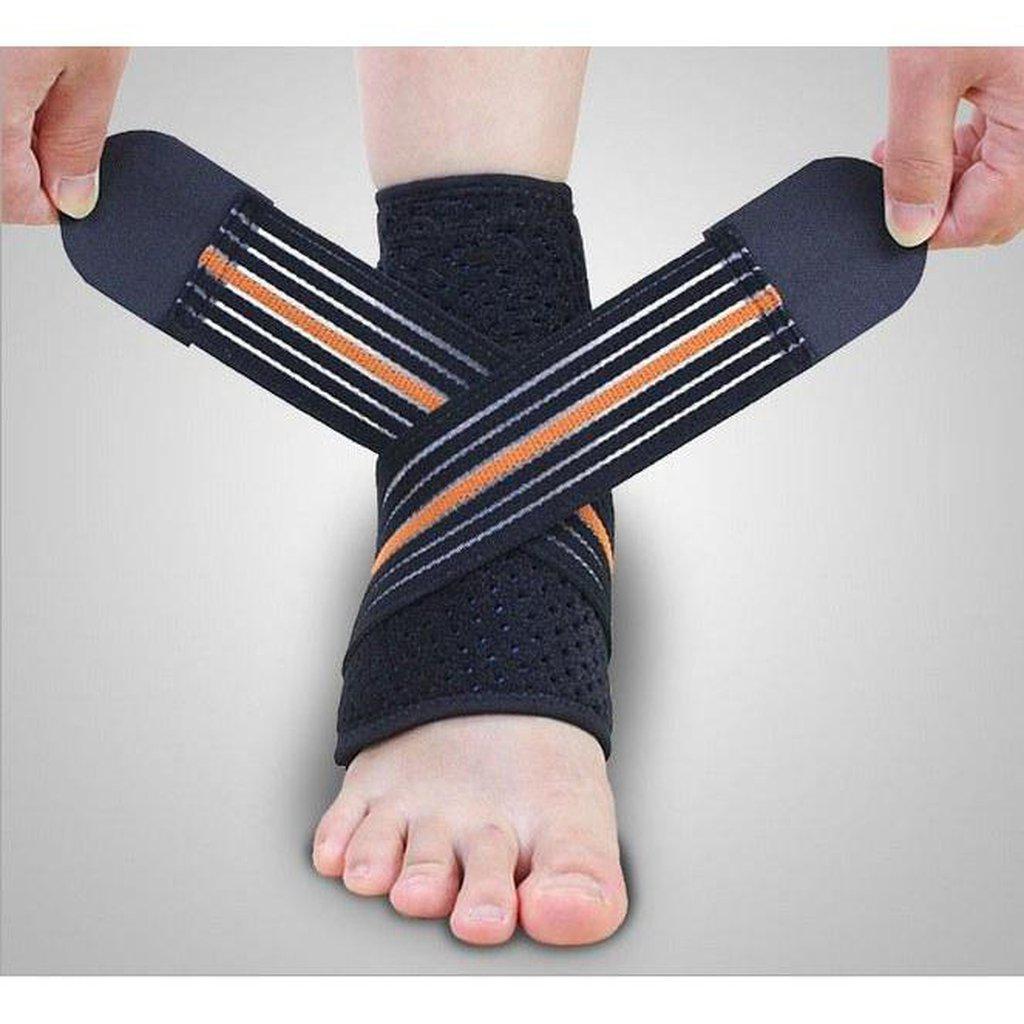
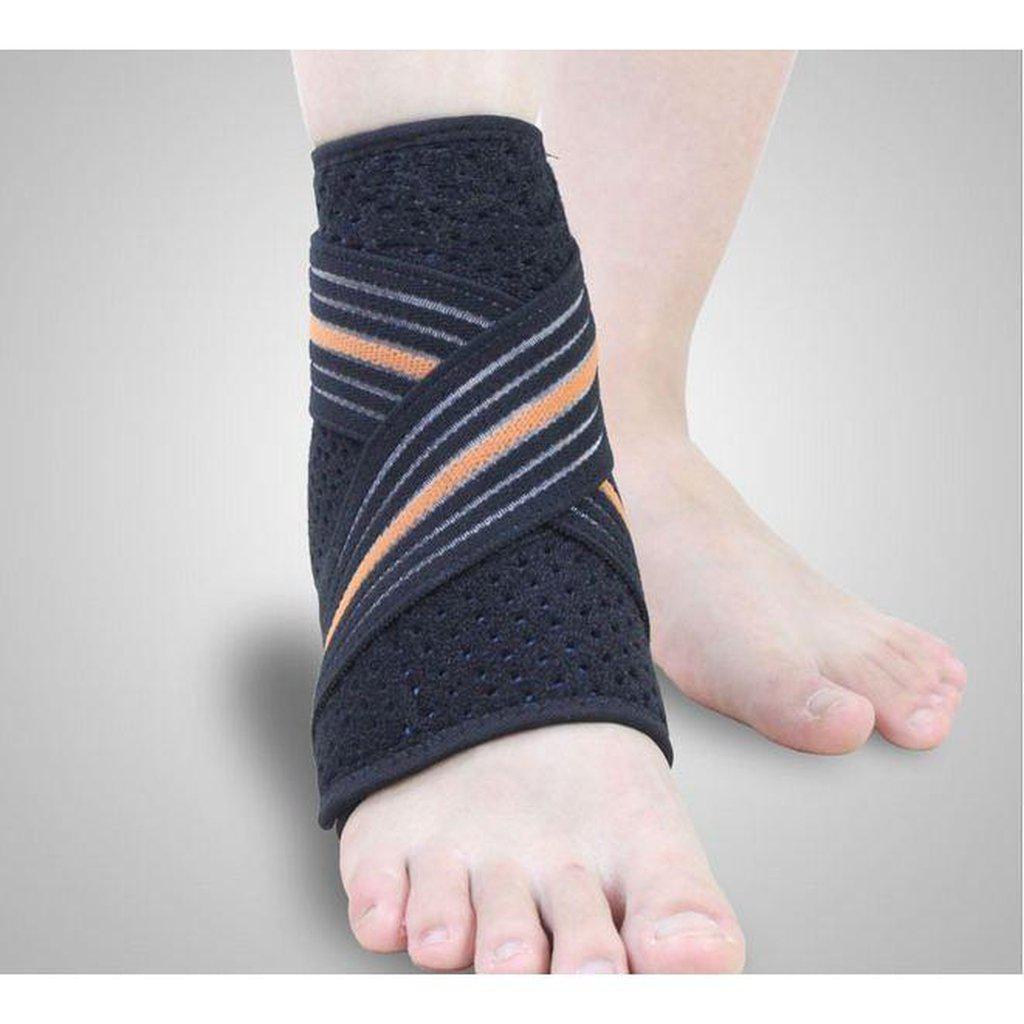
Supportive footwear, or a support, so the ankle is not taking knocks or being asked to do its full job yet. There is a range of ankle supports in our store.
R - Rest
Take it easy for the first few days. Then start moving: the NHS is explicit that once you can move the ankle without pain stopping you, you should keep it moving so the joint does not stiffen. Resting it solidly for a fortnight is not the safer option.
I - Ice
A bag of frozen peas wrapped in a tea towel, on the ankle for up to 20 minutes at a time, regularly through the day in the early stages. Never ice straight onto skin. For the first couple of days the NHS also advises avoiding heat, alcohol and massage, all of which tend to increase swelling.
C - Compression
Firm and even, not tight. Our Ankle Compression Sleeve is the lighter pull-on option. If it leaves deep indents, throbs, or your toes go numb or change colour, it is too tight.
E - Elevation
Foot up on a stool or the arm of the sofa while you are sitting in the evening. Above hip level is what makes the difference, since below that the fluid still pools around the ankle. Most people find it more comfortable straight away.
How bad is it, and when can you go back?
The honest answer is that it depends far more on your job than on the calendar, and the range between people is wide.
A useful self-test: if you can stand comfortably on your feet for 20 minutes, that is a reasonable sign you can manage a working day. Milder sprains often allow a return within a few days; that is a common pattern rather than a promise.
If you are in a lot of pain, still swollen, struggling to put weight through the leg or not walking in a normal pattern, take the slower route. Think about how you will get to work, and what the day actually asks of you. A phased return, easing in over one to two or even three weeks with more sitting than standing, is a reasonable thing to ask for.
More severe sprains
If you can only get around the house with a support or crutches, expect to need a couple of solid weeks at home before you think about work at all.
When to get it looked at
Contact NHS 111 if the pain is severe or getting worse, if there is a large or worsening amount of swelling or bruising, if you cannot put any weight on it or walk more than a few steps, if it feels very stiff or hard to move, if it is not improving with self-treatment, or if you also feel hot, cold or shivery. And if your ankle keeps giving way once the initial injury has settled, see a physiotherapist rather than working around it.
General information, not advice about your own ankle. The PRICE timing, the keep-moving guidance, what to avoid early and the NHS 111 list are drawn from the NHS page on sprains and strains.