
How Long Does a Sprained Ankle Take to Heal?
The short answer: most ankle sprains settle over a few weeks, but the range is wide and it depends on how badly the ligaments were injured, what you need to get back to, and what else is going on with your health. The stages below are what many people notice, in roughly the order they notice them. They are landmarks, not a schedule, and it is completely normal to move through them faster or slower than this.
Spraining your ankle is never pleasant, and if it stops you working too it can be downright stressful. As we discuss in the Ultimate Guide to Ankle Sprain Recovery, the body is good at healing on its own, and sometimes it helps to give it a hand along the way.
The first few days
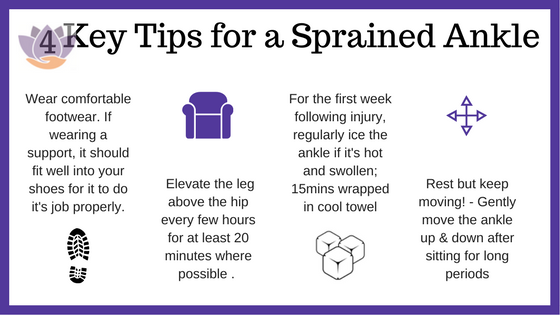
Early on, your ankle will usually be sore and probably swollen, so rest and icing tend to be the most comfortable things you can do. Try to move the ankle gently to keep it from stiffening up, and when you walk, notice whether you are limping.
If you are struggling to take weight through the ankle and limping heavily, you are not ready to return to work.
The first week or so
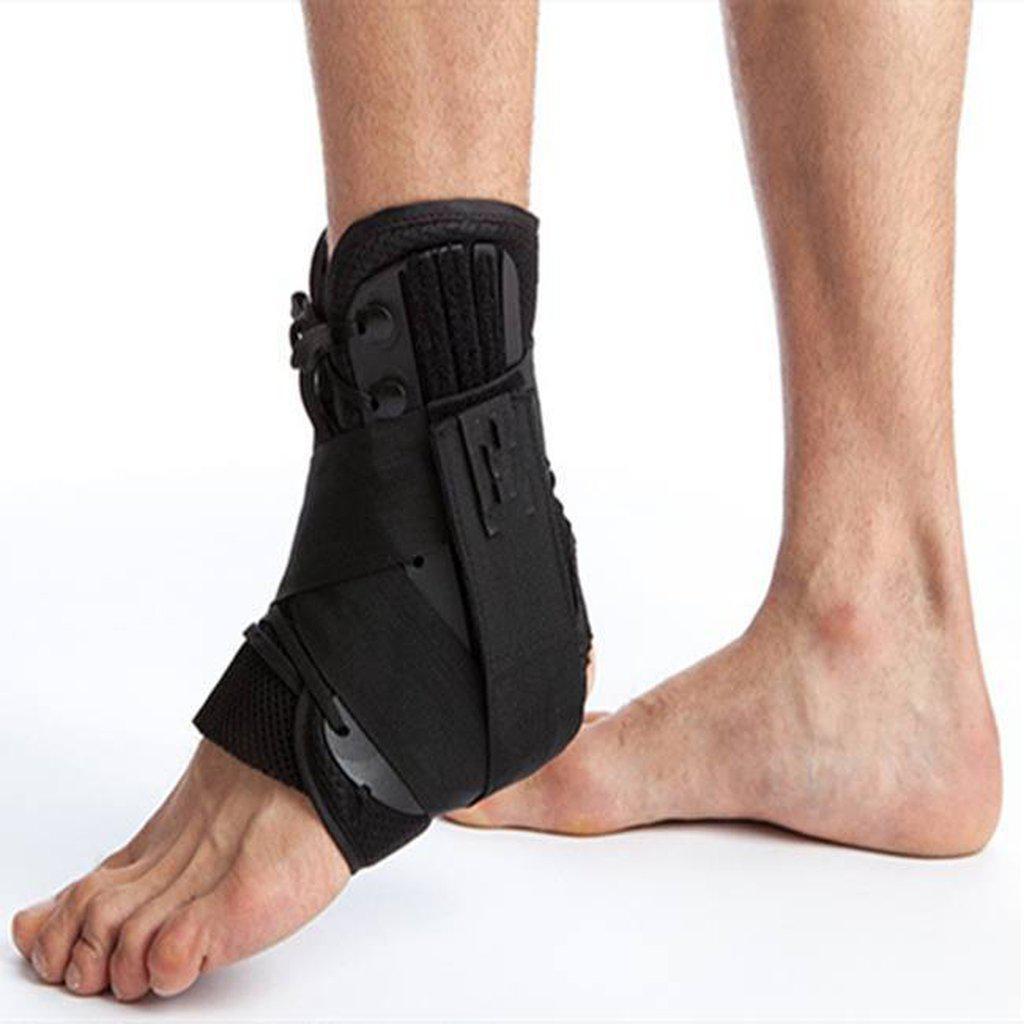
After the first few days, the initial pain often begins to subside, and you may notice the bruising becomes more obvious or travels down into your foot. That is normal and not a sign something has gone wrong. Around this point some people find an ankle support more comfortable for walking and putting weight through the foot.
If you cannot get your shoe on, you find it difficult to climb stairs, and you have a physical job, you are probably not ready to go back to work yet.
A few weeks in
Many people find their range of movement is coming back by now and they can take weight through the ankle close to normally. It may still ache after standing for long periods. Walking and stairs usually start getting easier. If your job does not involve long-distance driving or standing for hours at a time, this is often the point at which people feel ready to go back.
Further on
Later on, most people find the swelling has largely settled unless they are spending a lot of time on their feet or have gone back to sport, the limp has gone, and they are back in most of their normal shoes. Two things worth being able to do before you trust the ankle properly: perform an emergency stop, and stand on that leg alone, barefoot, for more than 20 seconds.
If you cannot do those things, or your ankle keeps giving way, or you cannot bear weight on it, or it is hot, red and swollen, please get advice from your GP or a physiotherapist. Persistent swelling can hang around for months after a sprain and is not by itself a sign of a problem, but an ankle that keeps letting you down is worth having assessed properly rather than waiting out.
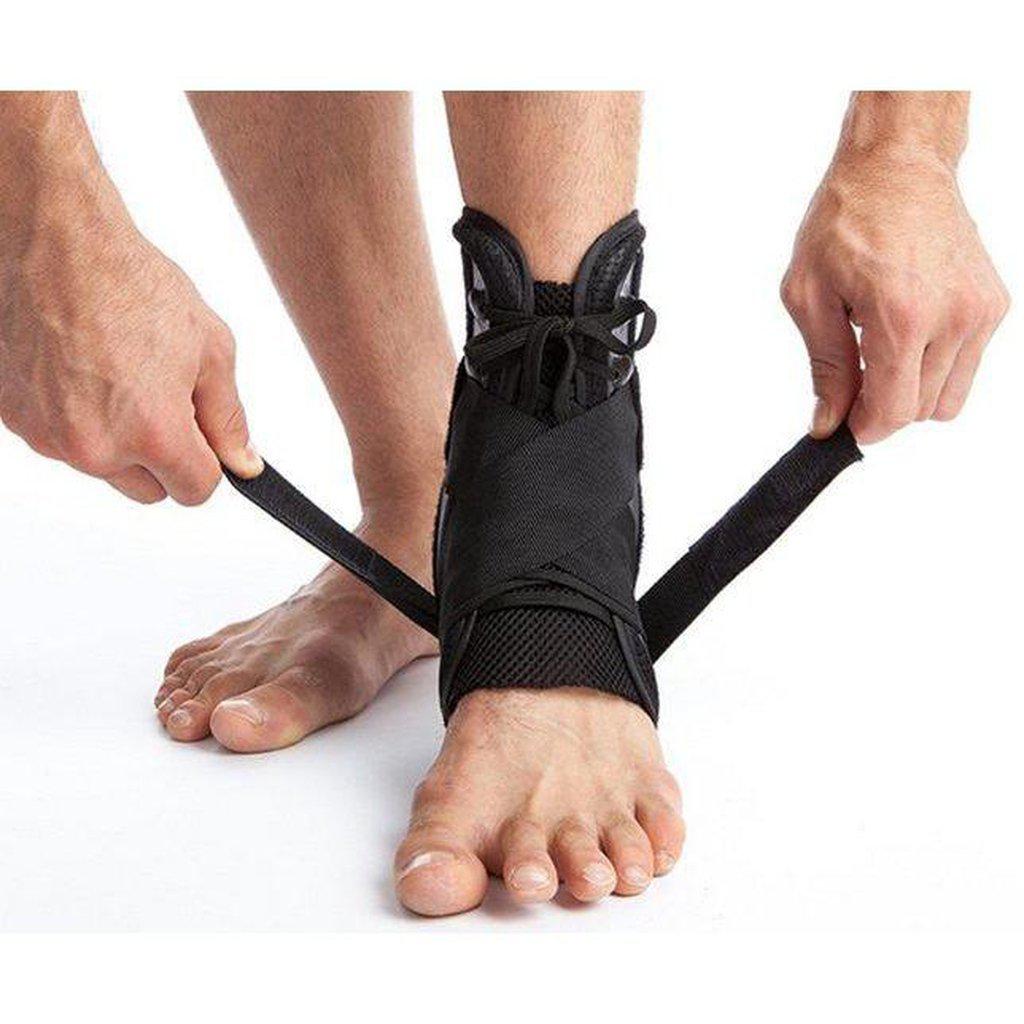
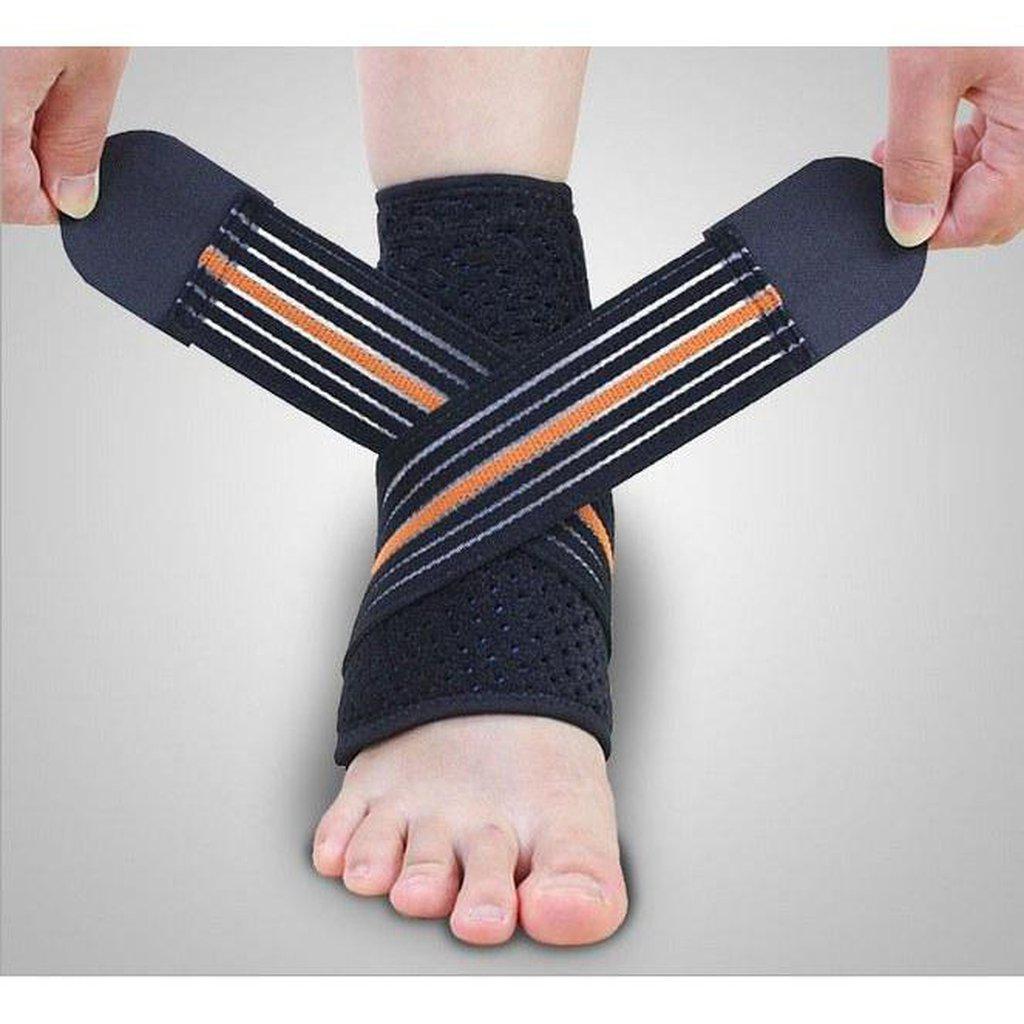
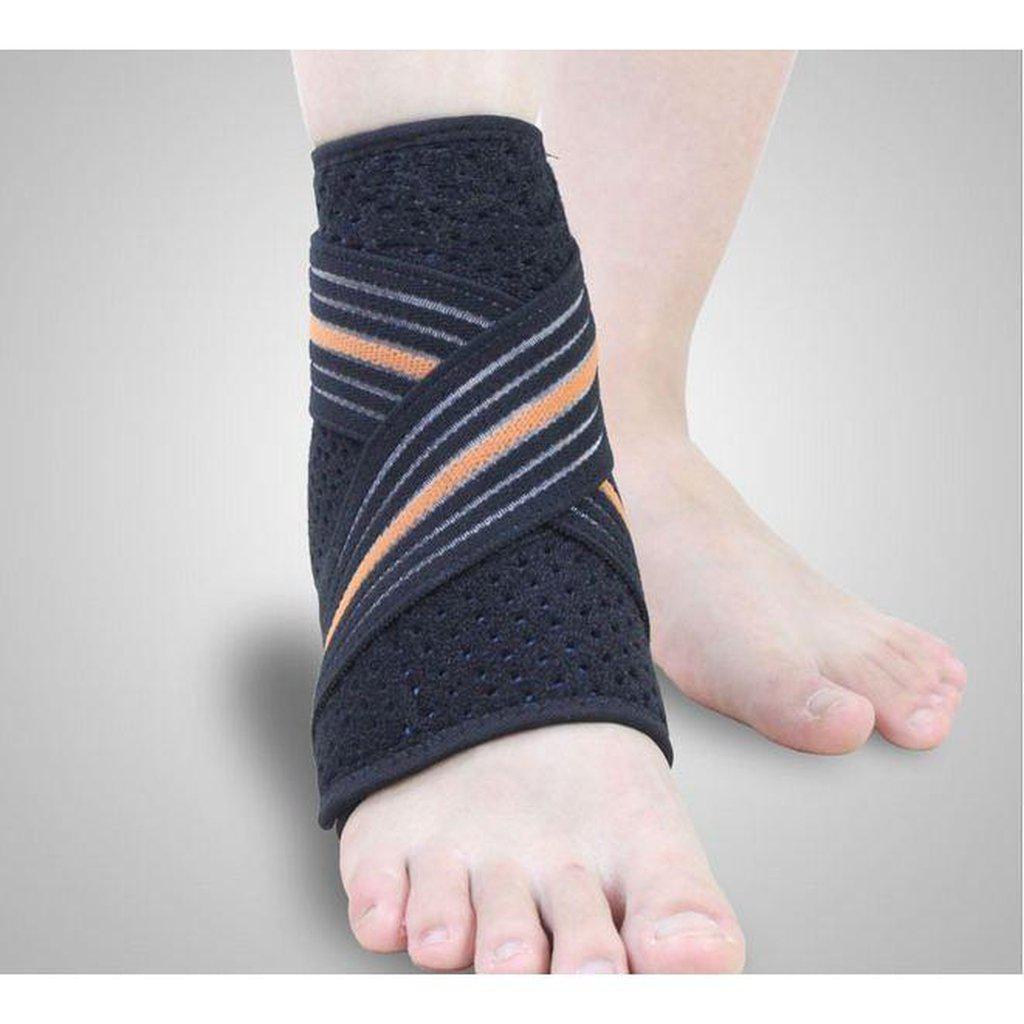
A support will not make an injury heal faster, and nothing you buy will. What people tell us it does is make the in-between period easier to get through: it is wearable inside a shoe, it adds a feeling of stability to an ankle that feels weak, and the criss-cross straps let you set how firm the compression is for yourself as things change.
What actually rebuilds an ankle is time and the balance and strengthening work in our balance guide. The support is there to keep you comfortable while you do it.