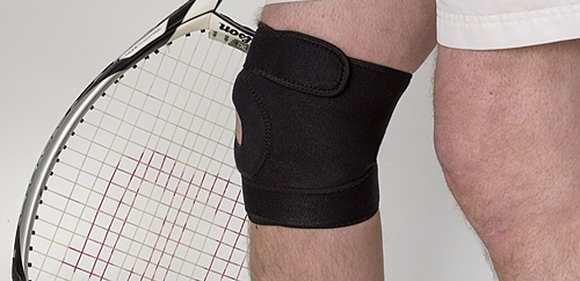
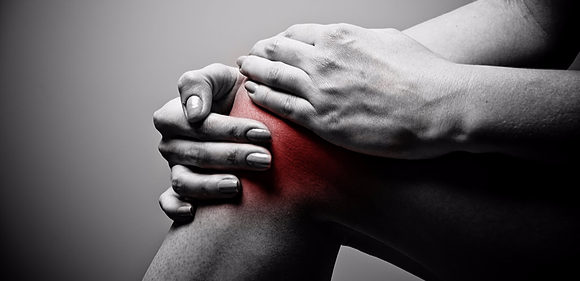
A knee support is used to increase stability and support. If you’re recovering from a recent injury a knee support is great at protecting and offloading the joint.
Anna Kearney2 min read
How can a knee support to relieve pain?
A knee support is used to support the joint, increase stability and where needed, reduce the range of movement.
Taking a long walk? Playing squash? Cycling? Mowing the lawn? A knee support will take some of the impact and reduce twisting forces. For knee pain around the knee cap kneeling and squatting can be made easier by using a support which includes a reinforced ring to offload pressure.
Swelling management - knee swelling can increase in response to activity; a support brace can keep you on the golf course and support you to keep shopping all day, which in turn will minimise the repercussions of pain and stiffness.
Stability - injuries to knee ligaments can leave the knee feeling more unstable and the surrounding muscles have to do a lot harder. This can be easier to manage with a support brace to add some external support to this process, particularly useful when you have a more vigorous task that needs to be done or you’re just getting back into it.
Padding - knee braces with patella offloading can be great for tendon injuries as well as allowing a person to continue squat and kneeling without applying a huge amount of direct pressure onto the knee cap.
Protection - many braces are designed to reduce the impact going through the knee and absorb some of the shock, they can also help to restrict twisting forces if you are moving quickly or jumping.
Confidence - if you’ve had a past injury and still feel that your knee isn’t as strong as it could be or want to go back to the activity that caused the injury in the first place then knee braces can be a great vehicle. You instantly get more feedback from wearing the brace around the joint and this frees you up to spend more time concentrating on your sport or activity than worrying around what will happen to your knee.
knee support to relieve knee pain
Uses
Knee Ligament Sprains
Osteoarthritis
Patella Tendonitis
Iliotibial Band (ITB) Pain
Knee Instability
Bursitis
Tendonitis
Wear and Tear
Injury
If you have an injury that isn't improving after 1-2 weeks then getting professional help at the right time can be vital in recovery. Speak to your GP, or book an appointment with a physiotherapist, who can assess the knee and tell you what your next steps should be.
The road to recovery can be long, but it doesn't have to be! Get a physio approved Knee Support Brace to help manage your condition your way. Slowly regaining confidence in your damaged knee.